Featured

We need to talk honestly about race.

I often find myself at risk of becoming a keyboard warrior on social media. Feeling frustrated at the discussions that seem to not end in any learning but simply people more entrenched in their own beliefs and increasingly defensive. So I am writing this to express myself in hopefully a more constructive way.

We need to really understand what racism is and where it comes from to use the word in an informed way.

We need to be able to ask questions and discuss opinions without fear but with respect for others views and opinions.

Similarly, we need to accept that some of our assumptions or preconceived ideas that are deeply imbedded in our psyche may be contributing to the oppression of others.

In other words, we need to stop getting defensive if it’s highlighted that we may have a prejudiced or racist view of another and start to question why and how we got this view and if we actually want to continue to express it.

This takes self awareness, but more than that, it may take a conscious decision to choose to understand the experience of others.

If we all become more conscious about what, and more importantly how, we are thinking this is a start. It is often uncomfortable to address these issues internally and with others. Furthermore, we may realise that we have to change our way of thinking about ourselves, which is a challenge in itself.

However, at these times of conflict and inequality, it is even more important that we build a collective consciousness through understanding and being compassionate to ourselves and others.

Race as we know it, is a social construct. It was created to allow Western Powers to develop slavery around 400 years ago and following abolition of slavery, then it was used to reinforce colonialism.

The justification to treat people is a less than humane way because they are categorised by a certain race has been seen throughout history ever since – Apartheid, Holocaust, more recently in the causes of the Windrush Scandal

As individuals we have been taught to accept this divided construct as a given. Divide and Rule has and is being used between men and women, people of colour, class, religion. Anything to break up the masses, who, if united are a much more powerful force than the ruling minority, the 1% who hold the wealth.

Some people have been taught about the divide and rule construct and may challenge it as it feels unjust and creates inequality. Others may reinforce it as it suits them to maintain the status quo and protects their own position. The majority are not taught about it at all, therefore, unable to understand or recognise that they are being played in an elitist game. Some may be able to recognise it when it comes to their own situation but not when it is applied to others.

For example, someone standing up and campaigning against anti-semitism not being active in campaigns such as Black Lives Matter. A white feminist MP proudly representing the ‘white working class’ as opposed to the working class that includes non-white people and using her position to address women’s issues only from a position of white supremacy.

Racism is structural it’s embedded in our systems – education , justice, government, etc – it will only ever go away completely when

a) there is a different level of consciousness individually and collectively where people are not encouraged to have a fear of scarcity

b) when we change the systems of this country that have been developed over centuries and benefited from slavery and built on colonialism.

Prejudices and stereotypes have borne from centuries of teaching and propaganda and help to support the systems to suppress the masses.

They are deeply seated within the individual realm, so we each have the power to hold onto them.. and therefore are handed down through generations , religions and traditions to keep people ‘safe’ from intrusion.

In turn, every individual has the power to reject these handed down prejudices and stereotypes. This takes a conscious understanding that there is a different way of thinking. This is only likely to happen if individuals step out of their comfort zone (their religions, traditions, familiar surroundings) and experience life of others with an open mind.

Casual or intentional Racism on the streets or in conversations between people is not acceptable and is a symptom of this structural racism that will not be overcome until we change the structure.

It has been allowed to become louder and more aggressive again because of Brexit, language being used by people like Trump and Boris Johnson and the mainstreaming of everyday reporting by media. This is simply creating more division which is part of the reason that we are seeing right wing populist leaders gaining control in some places.

It is pernicious and dangerous as it creates dis-ease within communities and has an impact on people’s sense of belonging and wellbeing, impacting on identity and mental health.

White privilege is not related to privilege in the financial sense. We know there are thousands of white families that are suffering greatly living in poverty. However, even in the most difficult situations we as white people have the privilege of being in a majority, and therefore, have the privilege that the system was developed for white British to be able to build the empire.

Now we may feel oppressed because the system has also been based on the class system so as working people they will only let us get so far. The system is really built to protect the elite and monarchist system after all.

And, however far we as women, have got through work of the Suffragettes and fights for equal rights , women may feel more oppressed than white men because the laws were only really meant to protect white elite men.

With this in mind, if as a white person you feel oppressed or alienated by the system it may be easier to understand that a non-white person may have the same experience than you – but feel more oppressed or alienated or experience the same situation differently.

We are quick to dismiss people’s feelings and ideas if they do not fit into our own experience or thought processes.

White privilege is ..getting offended because Stormzy says Britain is still racist.

The fact that many people have taken offence to Harry and Meghan’s decision to leave and have not accepted that the treatment of Meghan has been underpinned by racism (and sexism) since the moment she came on the scene, is an example of what I am trying to express.

The affront that people felt when they Stormzy agreed that Britain was racist. Misquoted by the media but a true reflection of what he had felt, seen and experienced. He didn’t mean every single person in Britain was racist but there was still an issue with racism in this country and there always will be within the current systems.

Meghan and Stormzy – both articulate and financially powerful people using their positions to try and address inequality- actually demonstrate that the system treat non-white people differently when it comes to allowing them the rights of the elite despite their financial capability and position in their field.

White privilege is dismissing a non-white person’s view because it makes us feel uncomfortable and defensive.

As individuals, this is something we have control over. We can look inside.

What are we defending?

Why are we feeling uncomfortable and attacked just by someone else expressing an opinion or their experience?

The sooner we realise that there is no scarcity of what really matters – love – and connect with others, the better. Resistance to change is a natural state but change is as inevitable and can lead to growth.

In the meantime, we can just try and be aware of our reactions and be open to questions and conversations. Most of all we can be open to change.

Suggested reading/listening –

Bonnie Greer’s ‘In Search of Black History’ (audible podcast)

Reni Eddo-lodge ‘Why I am no longer talking to white people about race’

Akala ‘Natives’

Ekhart Tolle ‘The Power of Now’

Gal-dem.com ‘Here’s why we have no time for Jess Phillips’

The Unwanted- The Secret Windrush Files David Olusoga
Featured

Spring – a time for change

May is usually a difficult month for me. It holds memories that I would rather forget and anniversaries that are not ones I wish to celebrate but cannot avoid. However, this one felt different, and it has been a month where I have changed the script and those memories have not haunted me in the same way.

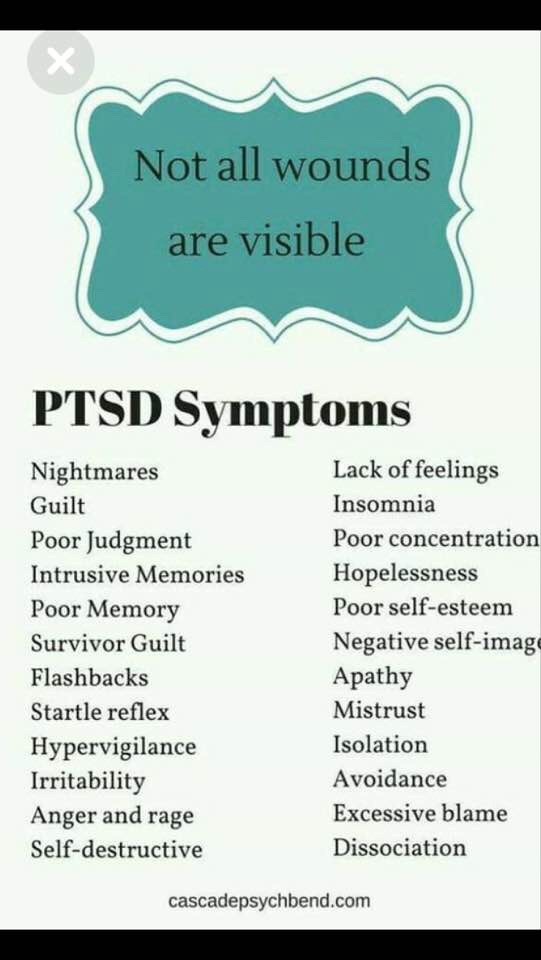
Having been diagnosed with PTSD over 20 years ago, I accepted that I could get triggered by the slightest sound, smell, noise or a date and return full flow into a rerun of every or any traumatic event I had experienced. However, I had not realised the impact of childhood experiences and learnt patterns of behaviour that  I had developed at an early age. These patterns may have led to the greater and more dangerous incidents, I faced that caused the PTSD. The symptoms simply reinforced the script that I had developed. And thereby continues the cycle.

I had a relatively blissful childhood. I am blessed with a family that has been able to support me through very difficult times up to this day. There was no family breakdown, no fights or abuse within the home. I was brought up with a strong moral and political code. I was encouraged to be educated, read books, dance, swim, maintain a car, build shelves, appreciate the arts. I was taught to budget, work hard and had opportunities to travel and be independent. Most of all I was taught to care about the world and others in it.

I am very lucky and I give thanks for this every day.

I have worked with and known thousands of young people and adults who have not had this privilege. People who have had to struggle alone, feel fear or pain at a young age, develop a hard exterior to survive, learnt that hustle is the only way. They have grown and done things that people consider wrong and sometimes even evil. They have hurt others or themselves. They have not been afforded the skills and emotional capacity to be able to develop or maintain relationships and create the life that is expected of them – the norm of working, keeping a home , having a family – is an ideal that can be a challenge for many.

Obviously, life, however blissful in retrospect, is never perfect. Parents do their best to be everything for their children, provide for them and keep them safe. Their own experiences and their stories of loss, pain and fear will influence their parenting and can, despite their best intentions, create an environment that could undermine their child’s sense of self-worth or create a script for that child that leads to self-destructive behaviour. Life can be cruel bringing trauma to the most idyllic settings. Every single person will learn to respond to this differently according to their instincts and environment.

I am proud that I have managed to create two kind, thoughtful and functioning citizens. Despite my failings and misgivings, they have already achieved great things in their young lives. As a ‘young single mum’, I was determined to prove myself as a parent and throughout their life I have tried to make a safer place for them and their peers to thrive. I have probably failed at parenthood more times than I succeeded, but they have a better chance of becoming better parents in the future because of my newfound awareness that I still have time to share with them.

I understand that my childhood and the ongoing support throughout my life has allowed me to have a certain power that I believe I have used for good, despite some of the ‘evil’ that I have had to overcome. Some have called this naivety but my everlasting belief that there is  good in everyone has allowed me to achieve much that I can be proud of and that have had been able to have a positive impact on others.

Primarily, I have lived my life ensuring that the needs of others were met regardless of the impact on myself and this has been intensified by the PTSD. This has led me to becoming physically ill, financially broken, in fear for my life. It has led me to self-harm, self-destruction and negative relationships. It has meant I have made mistakes and caused others hurt unintentionally, which in turn produced me even more pain and self-loathing. This martyrdom was not intentional or even conscious it was part of my response to secure the attention or love that had developed from a very young age. I do not call myself a victim or carry the Martyr badge for sympathy. I have carried on and  shaken it off and kept going, as I was taught to do and as we all do too often.

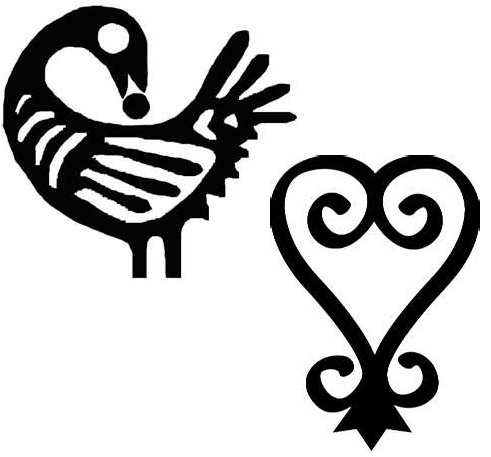
The importance of ‘Sankofa’, a tattoo I have had on my back for over 13 years is never truer for me as it is today.

According to originates from Asante Twi language of the Akan tribe in West Africa and literally means ‘return and go get it’. The interpretation I adopted was to remember your past and bring it forward. I.E. ‘You need to know where you have been to get where you are going’.

In recent months, I have delved deeper into my past than ever before. I have explored how my childhood has influenced my life choices and the negative patterns that have appeared. That blissful but imperfect childhood has created who I am today and whilst it is not helpful to regret any experience  or cast blame, it is important to understand and learn from it.

It has not been until now , until this May of my 48th year,  that I can honestly say that I know my worth, and that I truly know what I can achieve and what I deserve in life.

In the past, I had thought I had reached this point but I still allowed the script I had been carrying with me to allow people to undermine any personal growth and return me to the treatment I was used to.

This year, I have addressed a challenge to my view of myself and defended my self-worth. I have maintained my dignity and integrity and have been able to support others without sacrificing my own health and mental wellbeing. I have also seen that by doing this and looking after myself first, it has had more positive an outcome for others than the way I was doing things before.

To a certain extent it could be said that I have unconsciously created some of the risks, challenges and obstacles,  as much as I have found the strength to overcome them. The difference is now that I can forgive the child I once was for creating that script that I was not even aware I was carrying and definitely did not know I was allowed to change. Whilst I had come to remember the childhood experiences I had not realised how much pain I was still hanging on to.  Now that I have started to address this, I can literally let go of it and start a new script. I no longer believe that I am not worthy of the love or acceptance that I have spent my life trying to achieve for that child. I simply can accept and love myself.

All the clichés in the world can be applied but the fact is since going on this journey into my past, the symptoms of the PTSD have reduced, the triggers have not had the same effect and the self-harm and feeling of worthlessness has ceased completely and this May has been a positive month.

Kindness is not a weakness, to be kind after experiencing hurt or hate, is a true mark of strength. Kindness is essential for society to improve, but …be kind to yourself first.

If you are allowing people to treat you badly in relationships or work, ask yourself why? What are you telling yourself you deserve and where does that script come from?  

If you are avoiding pain or trauma from the past, it will find its way back to hurt your present or future,  until you allow yourself to heal.

If you are plagued by negative self-talk and doubts, write them down but make sure you have another book and write down every tiny positive each day – things you have achieved, or seen however, small.

Over time, it will be easier to focus on the positive.

Do not wait until you are nearly half a century to address past hurt.

‘Go back and fetch it’ -then heal it and learn a new pattern.

Create a life that allows you to feel all emotions in a healthy way.  Y

You cannot avoid pain or sorrow in life but you can accept it and know that you will recover from it and be stronger.

Flip the script.

www.facebook.com/ptsdbreakthesilence/posts/2226852864063544

http://www.witnessstones.org/what-is-the-witness-stones-project/sankofa-by-design/

www.radiotimes.com/news/2017-08-04/what-does-the-bird-symbol-in-taboo-mean/

tinybuddha.com/blog/recognizing-our-patterns-and-learning-how-to-change-them/

https://www.psychologytoday.com/gb/blog/the-empowerment-diary/201808/deep-secrets-and-inner-child-healing

Featured

Suicide is painless

Death is inevitable, it is never easy for those left behind but we all have to accept that it will happen.

Of the too many people I have lost in my life time, I have personally known six men, one boy and one woman who have taken their own lives. I have also known two men and one woman who have lost their lives to knife crime. That is 11 people between 15 and 40 years old in.  

The effects of all these deaths are devastating to the family, friends and the wider community. Too many parents are burying their children. Too many young people are dealing with grief and fear.

We continue to suffer, often in isolation. We may act differently, driven by a need to prevent anyone going through what we are going through; or perhaps a guilt that we did not do enough; anger about the injustice of it all; fear that we may come to the same end; overwhelming sadness and loss.

As a society, we still do not seem to be able to come up with effective solutions and prevent further loss.

Political leaders and media campaigns express horror and concern temporarily tokenistic legislation, such as the appointment of a Minister for Suicide or increasing Stop and Search laws, but no real long term investment to address of these issues is made.

Racist and irresponsible reporting creates the illusion that knife crime is only a problem within a small section of society so it can be pigeonholed and overlooked and we can close our eyes again until someone in our neighbourhood is affected.

Stories of suicide of celebrities as young as Mike Thalassitis and as successful and established as Keith Flint and Robin Williams spark strong reactions for a short while. Even the stories as tragic as when young people suffering bullying or the high levels of suicides caused by unjust benefits decisions may raise concerns and shock us fleetingly but we are no longer surprised.

Mental Health and Wellbeing is an issue that is  currently in the headlines. However, the link between mental health and gang crime has been recognised for years. Young people with low self-esteem are more likely to be drawn into gangs and or Child Sexual Exploitation. Domestic Abuse in the home  creates a normalisation of the manipulative, controlling and violent behaviour that is also prevalent in criminal gang relationships. It also causes mental health issues such as PTSD, depression and anxiety and can lead to self-harming and risk taking behaviours.

For both causes of death,  we still have inadequate long-term preventative responses. Our public services are underfunded and ‘firefighting’, care thresholds have been raised so early intervention is less likely. Voluntary Sector services are picking up the pieces on the frontline whilst finding it harder than ever to get the financial support they need.

Nevertheless, they are unable to address the underlying reasons why people see no alternative in that critical moment or end up being victim and/or members of gangs.

In fact we have even created ways through social media to add to the anxieties of failure and amplified or glorify unattainable life-goals or magnify negative stories about young people. Our communication is through memes and Twitter, YouTube or Snapchat. Our words are reduced to texting. A recent study showed that ‘Instagram and Snapchat …[were] the most detrimental to young people’s mental health and wellbeing’.

We have a government that has created a ‘hostile environment’ for anyone in need of support. They are dismantling our NHS. Mental health services have at least 6 months waiting list. They have cut Local Government funding that has a direct impact on youth provision and social services. They have introduced draconian changes in the Welfare system that is increasing homelessness and poverty. Our schools are under increasing pressure to provide for the wellbeing and education of the children and families in their care despite increased cuts, reduced pupil premium eligibility and lack of resources. They are contributed to a world that is fuelling hate with their foreign policy, rhetoric and legislation.

Is it surprising that people feel lost and helpless? Why should young people trust in the society that we have provided them? Is it inevitable that they feel they have to protect themselves?

Neither of these issues have easy solutions. We are losing too many young people to knife crime and suicide, and more specifically a generation of men:

CALM (Campaign Against Living Miserably) report that that suicide is still the single biggest killer of men under the age of 45.

More than two-fifths of all people killed by stabbing or gun crime in London in 2018 were men aged under 30.

As a woman, I am three times less likely to act on suicidal thoughts than a man. Young women are also three times less likely to be killed by a knife a gun in a gang related incident.

Even one death is a tragic waste and can create reactions that lead to more death.

Many people who commit suicide are dealing with grief from the loss of loved ones. I know that three of the people that I mentioned their own lives in response to their brother or friend doing the same.

Many people who carry a knife have been victim already or lost their friend violently. Many people are dying for some futile revenge or random petty issue, causing more people to live in fear and walking with anger.

Everybody is grieving and suffering in their own way.

Obviously, the causes and underlying reasons for knife crime and suicide are complex and vary from case to case. Akala recently pointed out that knife crime has been around for hundreds of years and the common indicators are poverty, domestic abuse and a lack of education. Research has shown that poverty is a cause of suicide in men – men living in poverty are 10 times more likely to take their own lives then affluent men. A combination of this and not being able to deal with loss seems to heighten the risk of a man choosing to end their own life.

So assuming that poverty is something we can only deal with nationally or on a legislative level with a change to the system as a whole, what can we do to address the other causes?

We need to understand that we, as individuals and communities, have the power to change and our children need to grow up knowing that life is valuable. Respecting life starts in the home.

However, we also need to stop the blame culture that shifts from the young people, parent, to school, to police, to government according to the convenient view point.

We need to connect with each other effectively and teach our children to do the same. We need to learn to listen actively. We need to allow others to speak without judgement. We need to stop hiding behind phones and computer screens and develop relationships with others, even those we have no apparent common ground with.

We know all this really. We say it all the time so, what is stopping us making it happen?

Raising a girl and a boy, I have been acutely aware of the need to develop and support good mental health in them both as individuals recognising they have different personalities. I tried to do this even though my own mental state has not been consistently healthy.

As a parent we have to protect our children from harm from outside forces. It is our responsibility to ensure the safety of our children. But how do we protect them from our own internal negative thoughts and subtle (or not so subtle) self-harming practices.

How much can we protect our children if we can’t protect ourselves from ourselves?

How effective is the protection in developing enough resilience and emotional literacy to prevent them from being fatally affected by mental health issues or getting caught up in street violence?

The pressures on parents is huge. If we stay at home, we are scroungers, if we work we are not keeping an eye on the children. If we are over protective we are preventing our children from learning about life, if we give our children freedom they are at risk of harm. If we are a victim of domestic abuse, we are putting our children at risk but if we escape that risk we are forced to deal with our abuser through our children’s contact every week. If our relationship breaks up we must deal with our grief without it affecting our children. We learn how to parent from our parents so if we did not have a positive experience we have to learn alone.

On a daily basis we are all subjected to traumatic stories of people taking their own lives or someone else’s life. This triggers our own trauma and rekindles our own grief reminding us of our own losses and experiences. If we do not address this consciously and learn to talk about it, grief can be all consuming.

Trauma scars. Whether it be abuse, break up of families, the loss of a loved one or witnessing something horrific. It creates a mark that can be ignored, locked away but is forever stored and will one day surface and if we do not address it the damage can create harm, to ourselves  and to others.

‘Damaged people damage people’– Marianne Williamson

It may not surface as abusive or manipulative. It may make us determined to change the world be over protective and controlling or lead us to avoid or neglect others emotional responses because we can’t cope with them ourselves.

However unintentionally, if we are not aware of our negative patterns, thoughts or actions, they rub off on our children. We aim to be model good behaviour and hope that our children will become better versions of ourselves. Often they do this despite us.

We need to care for ourselves -mentally and physically – as much as we do for those around us. We need to be kind in our actions as much as in our words.

Life has a way of improving. There is always a way out, however desperate we feel. We also need to learn and accept that, for some, there isn’t and we need to forgive them for feeling that way and ourselves for not being there to let them know.

We can make changes. We need to celebrate these changes however small. Not just the materialistic and visible achievements but the small personal positive choices to live life just because we can.

Let’s deal with what we CAN do and without judgement or accusations start to make these changes and acknowledge the positives within our communities.

There are millions of people and thousands of organisations providing effective responses and frontline services to those most in need surviving on shoestring budgets and reliant on volunteers. I work with many organisations that are crying out for help.

Support them with your time, money or expertise.

RIP

www.thecalmzone.net/about-calm/what-is-calm/

https://www.theguardian.com/cities/ng-interactive/2019/jan/14/london-killings-2018-homicides-capital-highest-decade-murders

Click to access The_mental_health_needs_of_gang-affiliated_young_people_v3_23_01_1.pdf

https://www.england.nhs.uk/blog/tackling-the-root-causes-of-suicide/

https://www.rsph.org.uk/about-us/news/instagram-ranked-worst-for-young-people-s-mental-health.html?fbclid=IwAR0QoI2jgzGUZaTjp_hXdYW1ydQraYGajo43qOIJdt6QtesrYdAnirWBkU4

Featured

Identity – a personal and national issue.

Jackie. Jaksxx. J. Woman. Mum. Daughter. Sister. Friend. Graduate. Wife. Campaigner. Aunty Jack Jack. Militant. Community Worker. Jew. Russian. Singleton. Innovator. Social Entrepreneur. Raver. Victim. Survivor. Polish. Learner. Teacher. White. Influencer. Swimmer. Poet. Writer.

All labels that I have identified with. At different times in my life, different labels will have taken priority. However, I have always known who I am and when I have drifted away from this core identity and the values that are true to me, it has felt uncomfortable at best and soul destroying at worst.

If we as individuals are sure of our identity and clear about our core values, we can be secure in ourselves and more tolerant of others. We can have self-respect and healthy boundaries. We are able to say ‘no’ to what does not fit with us. We are able to live lives that are free from fear and doubt.

Oh if it was that easy!

Our identity will change as we grow. It may differ according to the people we surround ourselves with. It will develop as we learn more about ourselves. Ultimately, it is all that we have.

So if we are stripped of our identity, if we lose ourselves in our relationships, or if we grow up not really knowing where we belong we become vulnerable to predators or may make bad decisions. We seek out relationships, support systems that meet our immediate need to belong but may not be healthy or safe.

Our identity is developed gradually and is determined by our reflections from others. It is not until we look in the mirror that we really know what we look like. It is not until we feel how people treat us that we know how to treat others, or ourselves.

A young person who does not feel accepted by the country where they were born because they practice the religion they were born into or because they feel forgotten or neglected by those meant to care. A young person excluded from school or continually criminalised through Stop and Search. A young person who has each foot in two different and distinct cultures may not find it easy to fit in either of them. These young people may find the support and companionship in gangs or radical organisations.

“Give me a child until he is 7 and I will show you the man.” Aristotle

These are the most informative years of our lives and the time that we learn most about the world. If our world is not safe, loving and nurturing it will affect our growth and development. It will have an impact on our understanding of ourselves and the search for who we are may lead us through difficult or dangerous terrain.  People who have an understanding of where they come from and who they belong to and that this is a loving and supportive relationship are less likely to steer away from their instilled moral compass and if they do it  hopefully won’t be forever.

In the past, I have lost my identity within relationships or friendships, getting absorbed by the other person’s needs and wishes. Compromising mine to feel like I belong. Dealing with negative behaviours and putting up with disrespect and denigration of my identity because this reflected the unconscious dimmed view I had of myself. I have done things I am not proud of and have made mistakes but by taking responsibility and spending time out and having unconditional support I have been able to rebuild my identity.

Having a sense of identity is a national issue at the moment. What with the whole Brexit debacle, the Windrush Injustices and a generation of young people seemingly killing each-other and themselves it is difficult to see a national vision. Our Imperial roots have never been so obvious than in recent years, with the rise and normalisation of fascist rhetoric, racist legislation and right wing propaganda which aims to divide and rule. Having a strong shared Identity and a unified approach are essential if we are to overcome these challenges.

I rarely identify myself as English or British above anything else. At times it was not something I wished to identify as at all. However this may be because nationality is something I am lucky enough to have taken for granted.

My Grandad was not able to feel so secure.  As someone who came to the UK under the Alien Act and became an architect in the civil service contributing to the British infrastructure, he continue to fear his potential  removal throughout his life. I feel disgust and desperation that after 100 years, thousands of people who have been British Commonwealth Citizens from birth, fought for their country, worked to rebuild and create the Britain we know who are still having their identity questioned and their sense of belonging ripped from them. A sense of belonging that was always been conditional anyway.

In order to be a Britain we want to belong to, we need a leadership that cares about ALL its citizens, takes responsibility for its mistakes or past wrongs, invests in the people who it depends on for its future to survive. Unconditionally treats all of its citizens and guests with respect.

To prevent our children and young people getting lost on the wrong course, we need to invest in them with our time and love. We need to instil in them, a sense of who they are and that they are valued and important. We need to listen to them and recognise they are all individuals and will respond and act differently. We need to model positivity and be proactive in our own lives being the best we can be and if we are not there yet, show that change is possible by striving to be that person.

Our young people are creating their own identities they will be different to ours because our generation where living in different times. We have created the society that they are navigating but we have not been effective at providing them a map. Life has changed faster than we were prepared for. The introduction of the internet and the millions of different opinions and identities are influencing them on a daily basis. No wonder why there is no cohesive voice. No simple British identity. No one way to deal with knife crime.

On a national scale, we need to challenge laws and decisions that allow our citizens who contribute to our wealthy and abundantly diverse British culture to feel unsafe.

As individuals we need to actively challenge anything that threatens a person’s right to their identity on a personal level. We need to be mindful of our ability to impact someone else’s identity through our behaviour. This can obviously be positive by appreciating individual attributes and accepting each-other for who we are. However, If we are overbearing or controlling, even with the best intentions and genuine (if not misguided) purpose to help another, we may reinforce negative identifications and create co-dependency which becomes toxic.

I believe that identity is a little like coconut oil or milk. It can be solid and fixed, it will change to liquid with heat but will come back to the solid form given a chance to change.

Every person will need to be allowed that fluidity. Everyone makes mistakes. Everyone has the capacity to change and grow from those mistakes, especially,  if they have the support and boundaries around them.

We can all do our bit by being true to ourselves and our own identity, being aware about our motivations and choices we make and being open minded and non-judgemental when dealing with others.

Putting my words into action, to show a unified approach, I will be attending the demonstration on Saturday 16th March. I will be surrounded by people I can identify with who share my passion to honour everyone’s right to their own unique identity and celebrate the diverse cultures we belong to.

I hope you can find a way to honour your own and other people’s identity this week.

https://www.tuc.org.uk/events/un-anti-racism-day-demonstration

https://www.theguardian.com/artanddesign/gallery/2019/mar/09/i-feel-judged-daily-by-everybody-16-year-old-boys-in-pictures?fbclid=IwAR0pI4ACS3tcMghaZXo5HNF6S8R3QUXslP0RRR4_RWkRyipVjEtrVl8SUus

Featured

Celebrating the Real Women and Me

This is my first blog and I was trying to think of something deep and meaningful to write to capture your attention and make you follow me. Then I realised that the whole point of this blog is that I cannot ‘make’ you do anything! I hope that you are touched or interested enough to read to the end.

The more I thought the less ideas I had so I am just going muse about an issue that’s close to my heart. It may get political and you may not agree with me, but I will be speaking from my heart and my experiences, so I hope it resonates with you and sparks some reaction or positive change.

Today is International Women’s Day, a celebration that has been happening in various forms since 1908. With it’s origins in the Socialist movement it aimed to raise women’s rights in work and to vote to the national and then international agenda. This morning, I received offers of discounts for massages, make up and a range of T-shirts with a ‘feminist’ slogans (probably mass produced in a sweat shop somewhere by teenage girls). So what does Women’s Solidarity day mean to you?

I have personally celebrated women and campaigned for Women’s Rights since I was a Militant teenager. I have always worked to ensure that women and girls have opportunities and access to all that men have. I have developed services that made women safe and enabled young women to grow up with pride. I have promoted International Women’s Days through music events, promoting all women DJ line-ups and got men to support Domestic Abuse causes.

On a personal level, I have an amazing group of women around me now but over the years my relationships with girls and women have not always been so positive.

At school, from a very early age, I was bullied mainly by girls who said they were my friends. I recently read an article on how to support our girl children to navigate relational bullying. At the time when I was being bullied, it was the 70s and there was not much awareness about the impact of bullying.

Over the years, as the mild name calling developed into more controlling and manipulative behaviour and I became less able to communicate my feelings. So much so, that I withdrew contact with my parents. Since the age of ten, I have been unable to have physical contact with my mum and dad… no hugs and kisses. I began to get caught up in larger scale bullying and getting into trouble or bunking off school.

By the beginning of secondary school at the age of 12, I was able to break free from the group that bullied me but I continued to fall into other relationships that were similarly negative.

My friendships, although seemingly dedicates and fun until we left school and drifted apart, also became fairly controlling or oppressive. So much so, that when I passed my O’levels (equivalent of GCSEs for those young readers!) I was not able to celebrate because others had not done very well.

I had learnt humility at a young age. In hindsight, I was a bright and able student, dancer, swimmer and musician. I had compassion for others, was a great organiser of parties and popular with friends from all types of people. However, at the time, I dumbed down my academic achievements, felt I didn’t fit in anywhere and saw myself as average or inadequate.

My teens were a blur of conflict with parents over revision, feeling alone and finding a sanctuary in alcohol and dancing.

In fact, throughout my life the relational bullying has been a recurring theme in many, but thankfully not all, of my friendships with women (and men).

These negative relationships reinforced all the negative messages that had been directed towards me as a very young child and without knowing it, the pattern of attracting people who represented the schoolgirl bully has always been part of my world… until recently.

It is a great thing to have truly supportive women in your life. We always look up to women in the public eye or in history, I have three of them on my wall – Maya Angelou, Marilyn Monroe, Audrey Hepburn-  but actually, we are really most influenced by the women we have around us.

I am lucky to have my mum who, despite a slightly fraught relationship growing up and in my 20s, I am totally indebted to – for being the second parent to my two children, for always supporting me, for providing me with the moral conscience and access to arts and for giving me my Jewish history and culture.

I am incredibly proud of my daughter, who was my guiding light throughout some very tough and scary times and whose presence has always made me into a better human being, despite my flaws. Now a grown woman in her own right, with her own career, relationship and bright future ahead, she still inspires me to improve and keep moving forward.

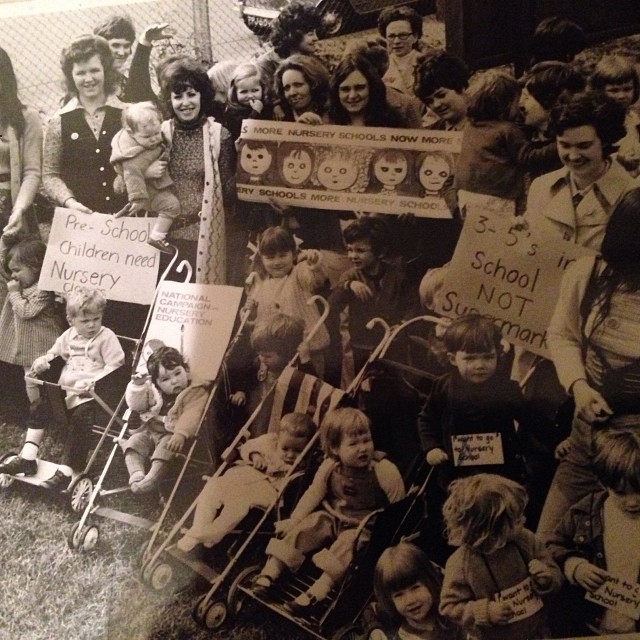
I was brought up with women campaigners marching for free Nursery places (spot me below looking militant already!), against Racism and Nuclear weapons from a very early age which influenced me as a teenager, when I was involved in Anti Poll Tax campaigns and student marches against Thatcherite policies and Apartheid in the 80s.

As a young mum, the friendships I formed were through our children. I went through some of the worst and most challenging experiences of my life. We were all dealing with our own troubles and challenges but, as most of us were single parents, we tried to support each-other and did our best to bring up our children to prove to the world that we were not the scroungers that the media were painting us. All this , whilst learning about ourselves and finding our identity as adult women.

My thirties were focussed on developing my career, which involved getting a degree, setting up a charity and working with hundreds of women from all cultures and backgrounds . These women taught me that the strength of women is universal. Even at our lowest points, we find the resilience to rebuild and reconstruct ourself. Many had escaped from domestic violence, travelled from persecution to safety, overcome huge obstacles but still try to improve themselves and be good parents to their children.

I also had to deal with challenging situations with women, some I believed were my friends, but whose behaviour towards me was resentful, jealous, treacherous and controlling. It was at this point, I discovered that Karpman’s Drama Triangle and I started challenging these ‘friendships’ and started my journey (that has in no way, been a straight road) towards to real friendships I have today.

When I hit my forties, like many other women I shed some of the shackles of the past decades and really felt like I liked myself. As the years have  gone on,  I  have gradually been able to rid myself of some more insecurities and after a long and somewhat difficult recent process , I am heading towards my fifties in a mindful and positive state… mainly due to the many wonderful female friends with whom I have reconnected with recently.

These women travel, are artistic, musical, are sporty and are great mums and strong women. They are business women, writers, carers and creators.  Most of all are simply good people. We laugh, we talk about life (not people), we cry together, and help each other without expectation.

Most of all they accept me as a person, they respect me for who I am – warts and all – they do not take anything from me, emotionally, mentally or financially. Our relationships are not co-dependent but are healthy, honest and kind. These are the real Women to me and the real heroes in my world.

So, what makes some of us women want to bring others down? There are enough people in society making life difficult for us as women.

I can easily reel off stories such as the persecution of MP Dianne Abbott (who received over half of  all abusive tweets directed at women MPs). Period Poverty. Sexual Harassment. Domestic Abuse. The Pay Gap.Government policies that disproportionately impact women. The fact that, in some countries, girls still do not have access to education and in others, women only recently were given the right to vote. The list goes on and on.

Having a woman in the most powerful position in the UK has not helped and has potentially set us back many years in many ways. This is likely to get worse with the potential eradication of Human Rights laws and employment rights.

On personal levels, when a person  has insecurities and are not satisfied with their life, they are likely to project these issues onto others around them.

As  people on the whole,  but for the purpose of this blog, as women, we need to learn to be self-aware and mindful. We have power in our words and actions towards others.

Women are often the main carers of the next generation – as mothers , childcare workers,  primary school teachers – our language and actions when we talk about and to others will form the attitudes of  our children.

Most of all, we need to be aware about how we talk to ourselves. Perhaps if we had been taught at an early age to be kind to ourselves, to accept ourselves and have a voice we may have learnt to be kinder to each other.

This Women’s Day I celebrate all women. I forgive those that have caused me hurt. I apologise to those that I may have upset. I pledge to continue to fight for the rights of women, to support women and encourage women to shine their light. I thank the women who have inspired me and supported me.

Most of all this Women’s Day I find my voice.

I am kind to myself.

I love myself and the skin that I am in.

I am proud of all I have achieved and all I have learnt.

I shine my light.

I hope you do too

Article regarding bullying: https://www.amightygirl.comblog?p=21080

Information about the Karpman Drama Triangle https://www.karpmandramatriangle.com/

Article regarding online abuse: https://newstatesman.com/2017/9/we-tracked-25688-abusive-tweets-sent-women -mps-half-were -directed-diane-abbott

Article regarding Women’s Suffrage: https://matadornetwork.com/read/year-women-became-eligible-vote-country/?fbclid=IwAR0MqqgbzMhnub2qYPBWd-74G3HEVm7CrrKeAJvtCJMCQEnnfOhLkvSnaGc

Featured

Welcome to my world

I am writing this blog to share my views, experiences, learning and observations.
I have a learnt many lessons in my 48 years through my own personal journey, my 30 years working in the Youth and Community Sector, being a single parent of two now amazing adults and a daughter of active left-wing parents.
I have been a leader in community organisations, a political campaigner, a change-maker throughout my public life and during this time

Personally, I have been affected by complex trauma which has impacted on my health and well-being. I have recently started to explore the causes of these issues and have been learning how to manage the symptoms. This is a journey of imperfections, a work in progress but an honest attempt to speak my truth about life, social issues and relationships.

I am now finding my true voice and hope that by sharing it I will shine a light for others to find their voices.

World Mental Health Day 2020- Take Time

To mark this year’s World Mental Health Day I thought I would share a poem.

Over the past two years a number of deliberate life changes previously mentioned in last years WMH day blog have helped me overcome symptoms of complex PTSD.

Throughout this time of healing poetry – writing and performing it- has helped me to explore and express issues that I have been dealing with as well as overcoming fears and connecting with others. So it feels appropriate to share this today.

Take Time

Life has taught me

The importance of time

Not just being at the right place

Or finding time to lime

But taking time to face

The fears and feelings

We don’t want to trace

To allow for some healing

Sometimes we are just

Freewheeling

Through life

Navigating

between lust

And relationship strife

Alternating

Between stresses

And appreciating

Blesses

But not concentrating

On our internal needs

The underlying issues

That grow like weeds

The inner child

We forget to feed

Or the self love

That provides the seeds

to truly grow

A life to be in awe of.

We may not see

The light that glows

Internally

If we are fighting fires

Externally

Everyone else’s pacifiers

Constantly battling

Infernally

Before we are tackling

Our own necessities.

So our time is precious

And Me time is necessary

And should be consciously

arranged in our diary

Whatever that looks like

For you is the way

Riding a bike

Having therapy

Writing or singing a song

No time spent

with yourself is wrong

It doesn’t matter

What you do so long

As you have time to breathe

Reflect, renew

The most important

Thing to do

Is YOU taking time

To be with YOU

Mindful self-isolation here I come!

I am on a mission to stay positive, emotionally and physically in these uncertain and worrying times.

Working from home is what I love doing anyway. Not having to go to meetings is a blessing. However, missing out all the activities I had planned with mum, my attendances at poetry events, nights out dancing, socialising, days planned for walking and connecting with nature and holidays booked will take a toll on my mental health , if it hasn’t already.

So I have got myself organised

Exercising – early morning run, use the trampoline and dumbbell that has been gathering dust, do some pilates or yoga exercises or follow a fitness routine

Prepping Food – organising what I am eating during the day and if necessary cooking in the morning, so I don’t forget to eat later on (very bad habit of mine) – I stocked up veg and pulses only so have to cook from scratch and have no choice but to avoid refined sugar and crap!

Hydrating – remembering to drink water throughout the day (another very bad habit of mine is to forget to drink) . Consciously drinking every 15 minute until it becomes unconscious.

Decluttering- for the next week I am taking one room at a time and clearing what I don’t need and spring cleaning.

Work – I have my to do list and will check things off, review and pay myself on the back for achievements. I will work once I have done exercise and cleaning and finish when I have got everything done.. or 5pm and no later. Check emails at certain times during the day rather than responding immediately (unless its an emergency of course). Schedule in phone conversations and online meetings so that I don’t get distracted and taken off the task in hand.

Volunteer – support the co-ordination and development my local mutual Aid group This is helping to connect with local residents (virtually of course) who can build a better community for the future too.

Create – journal, write poetry, finish writing course, get going with my book and write a blog (this is one job done).

Socialise – FaceTime mum everyday and check in with friends regularly. Limit social media to keeping in contact with people and work/ volunteer related stuff, rather than getting caught up in the frenzy.

Relax- hot baths, read books, watch good tv and films, have ten minutes doing nothing in quiet, play ScrabbleGO with friends I know across the world, listen to music.

Hang on a minute, this sounds like the life I always wanted to have and was far too busy for. 🤔

This is time to reset.

NB- I am aware I have the luxury of having work coming in – as a self employed person this is not guaranteed for everyone, so I am grateful that my work has not been affected. I am also aware that I have not been forced to make a decision between my work and my family, as so many amazing NHS and care staff have been. Not having small children I do not have to worry if I am being the best parent, teacher and entertainer. As a fairly healthy and, hopefully soon to be, fit ,approaching 50 year old woman, I do know I have less to worry about than some.

But the point is, we need to make the most of the situation we are in. Stressing about it, worrying about the future and moaning about what has happened or should have happened so far won’t do any good.

What you can control is your reaction to others actions and events that occur.

Take action where you can to make change or resolve something.

Accept or let go of what you can’t control.

You are not responsible for anyone else behaviour or reactions other than your own.

Focus on you and your family unit. If you don’t put your health and wellbeing first, you will be not able to be there for anyone else effectively.

Remember, everyone reacts to anxiety and stress in different ways. Don’t take things too personally, but also do not accept anything other than respect. If you can’t walk away, make plans to do so and ask for help if you need to.

Enjoy the current spring weather , even if it’s through an open window.

Listen to the birds and natural sounds.

Ask for help if you need it.

Show respect frontline staff and stay indoors unless you really have to and then keep a safe distance (2m) away from people. Wash your hands ALOT, remove your clothes when you get home and wash them and all the surfaces, like door handles, that you touch as you come in.

Most of all be mindful and aware of your mental health and be kind to yourself and others.

The world is not going to end but it might change and it could be for the better if we take advantage of this time to value what is important and learn from the lessons it brings us.

For the most up to date national guidelines and information:

https://www.nhs.uk/conditions/coronavirus-covid-19/

https://www.gov.uk/guidance/coronavirus-covid-19-information-for-the-public

To get help from or volunteer for Covid-19 Mutual Aid groups, check out social media or local council websites

For free exercise

For creative ideas check out instagram and other social media there are thousands of creatives to get connected with who are sharing ideas, games and activities to get your creative juices flowing.

Learn something new there are plenty of online courses available some of them are free or currently at reduced prices , check out for example, https://www.centreofexcellence.com/?wgu=277675_221639_15849522737315_c0c396999a&wgexpiry=1592728273&source=webgains&siteid=221639

Open university are giving away free university online courses.

https://www.open.edu/openlearn/free-courses/full-catalogue

Camp

Reflections of my visit to a monument on the site of a concentration camp in Riga, Latvia which at the time was still in the USSR. The monument had the words ‘Behind these Walls the Earth is Moaning’ inscribed on it.        

The Train track

Leers it ugly past

It crowded its cattle

And shoved them there.

Behind

These Walls

The Earth

Is Moaning

The towering

Bodies

Shadow

The Ground.

So Big,

The grounds

 Are so

Immense.

Notches

On the

Wall filled

With dust,

Like the

Latest

Conquest

On a

Tired Old

Man’s Bed.

Eerie

Silence.

Except for the click of tourists and

The statistics of a communist guide.

The train track

Leers it’s ugly past

The coach ignores it.

The tour is over.

And speeds off to see another site.

Jackie Sear 10/7/1988

This was chosen by poet and author, Jackie Kay, as the winning poem in a competition at Hammersmith & West London College in 1989.

Another political post from a lefty whining that they lost

So after nine years of devastating austerity, nearly fours years of uncertainty over Brexit, six weeks of feeling hopeful for change and the last week fuelled my anxiety and adrenaline we have returned to a Conservative Government led by Boris Johnson.

As the initial exit polls predicted a landslide, I went into denial and continued to hope that this would not be the case. I felt sick, scared and fought against crying with all my might. This continued for about two hours, until I had to come to terms with the fact that Labour had not been able to convince the voters that they could lead the country. At one point, I considered breaking my 19 months of sobriety to numb the feelings. I stayed up in the hope that Ian Duncan Smith, Dominic Raab, Priti Patel and even Boris Johnson himself would have lost their seats, to no avail. Once secure in the notion that my local area had held on to all three of its Labour MPs and considering to move to Scotland, after observing the SNP success, I took myself to bed defeated.

When I woke up three hours later, I made a brief attempt to watch Good Morning Britain to see if any miracles had occurred, but couldn’t stomach Piers Morgan that early (or anytime for that matter) so swiftly turned it off and went through my morning routine. Over the last three weeks, I have been working through the Deepak Chopra Abundance challenge and more recently have also been following the online Commune Wellness retreat. So I listened to the soothing tones of Deepak’s voice and listened to an American speaker talking about techniques for reducing our own biases.

I have to admit I struggle with meditation on the best of days and I spent most of the talk thinking that I am right to be biased about Tories but I persevered and by the end I felt calmer and more relaxed. This allowed me to be a little more forgiving of the general electorate who did not see my point of view. I spent the day feeling strangely calm and philosophical, trying to spread a little positivity to people I talked to in person and over social media.

Yes it was disappointing, devastating and scary, I acknowledged, but it is what it is and we have to accept that, reflect and do better next time. Rather than anger I felt sad.

Sad for the 4.1 million children and young people who are living in poverty. For the millions of public sector, health and emergency services workers that are underfunded and stretched to their limits, for the victims of Grenfell and Windrush who are unlikely to see the justice and change they need, for the 320,000 homeless people, for the youth workers who have lost £39million since 2011 and the young people who have been left vulnerable to gangs and serious youth violence and exploitation and for the parents who despite working or budgetting on Universal Credit have to rely on the 2000 food banks and handouts from local cash strapped charities.

We need to show compassion for each other and brace ourselves for what will be and take this opportunity to reflect, listen and learn lessons to fight another day, I said. And I was right and I reflected and I shared the ways we can just be kinder to each other as a society; how people can contribute to their communities to make change and how each connection you make with someone from another culture or community, or each time you become an active bystander is a challenge to the Government, because by one kind act at a time we can make change.

This is not wrong, I still stand by that but….today I am angry!

Mindfulness has a place. On a personal level, it is useful to ensure that you are responding not reacting, that you are not internalising negative energy and that you are being compassionate to yourself and others. I would encourage people to look into it, especially as potentially things are going to get worse for some time. However, it should not numb us into submission or allow people to take advantage or oppress us. Most importantly, it does not heal trauma and that is what many people are experiencing in our society today.

Part of my sadness yesterday was that I am tired of the fight. For the past 30 years, I have been working with young people and communities, fighting for funding and services, fighting on behalf of individuals of all ages to have decent homes, safe places to play, opportunities to learn and work , better mental health services, safety from domestic violence and gangs…I could go on. I am not the only one. There are millions of people working tirelessly and thanklessly in our communities every day, many people getting paid less hours than they work and many not getting paid at all, providing essential services that are preventing people from completely disappearing into the unseen underclass. We are all tired. And , just for a little while we had a glimmer of hope. We thought there might be abit of respite.

So yes, I am angry that Labour lost and that there is evidence it wasn’t a fair fight- financially imbalanced, biased media, misleading and pernicious Tory campaign. I am angry that people chose to vote for a man who is blatantly racist, homophobic and sexist (amongst other things). I am angry that we will be subjected to worsening poverty, that Brexit will damage the country and the NHS will be sold off to Trump. I am angry that the 151 people who didn’t vote in Kensington could have helped a labour MP be elected to help the people affected by Grenfell get justice. I am angry that black people, muslims, single mothers, working class people must have voted for people who in reality do not represent them. Again I could go on!

The anger will continue to fuel my passion and determination to continue the fight for a more equal and fairer society. The anger will make me get out and march for what I believe in. It will work with my local Labour party to make the changes within so that we are prepared for the next election and the one after that. The anger will make me work on projects that promote critical thinking skills, to understand the power of the media and the structural racism that this system relies upon and find ways of healing the trauma that poverty causes.

The anger will have to be channelled into positive action because otherwise the Tories really have won.

Remember that millions of people did agree and buy into the Labour manifesto, some even agreed with it in principle but didn’t agree with Labour’s stance on Brexit, had issues with Corbyn or just didn’t trust that it was possible. Some chose not to vote at all but are active in our communities. If all those millions of people worked together – even just in the small ways I mentioned before- we have a real movement of change.

We are not alone in this anger and sadness. We need to unite and galvanise our communities. We need to get creative, active and think differently. We need to buy from black owned and ethical businesses. We need to share our talents and skills with our local community centre. We need to ensure people know how to challenge policies and decisions locally and nationally. We need to reassure those first time voters that their vote was not wasted that we can use every single one to work towards something much better.

Use mindfulness for all it can do and then get involved in doing something that will make life easier not just for you, but for someone you don’t know. Don’t use the anger to fuel hate. You don’t have to be friends with a Tory if you don’t want to! Carrying around hate towards them will only damage you… they don’t care, they are sitting in the mansion (or council house) and getting on with their lives, thanks very much Jack!

Action is the only way forward. Make it a conscious action. A choice to do something positive. Be kind to yourself and others. We shall overcome.

PS. Absolute credit goes to Jeremy Corbyn who led a dignified and inspiring campaign despite underhand tactics and attacks from all angles. His track record, humility and empathy speaks volumes. I have every respect for him.

World Mental Health Day

This is the first mental health day I can truly say I feel mentally healthy!

That is because I have been investing in myself and took the decision to explore the underlying issues that I have been experiencing throughout my life.

I can honestly say I have not had the constant negative noise in my head for the last 6 months.

If I feel anxious I can deal with it through mindfulness and if something triggers feeling I recognise them for what they are and deal with the situation head on.

It has been a journey of self discovery, reforming relationships with myself and others and challenges but it is well worth it.

Things I have done

Invested in myself

✅ therapy

✅ developed my freelance work

✅ ensured financial issues addressed

✅ reiki

✅ Massage

Learning and creativity

✅ mindfulness

✅ inner child healing

✅ writing – from listing things I am grateful for and every small achievement (getting up was a struggle at one point ) to publishing my blog, performing my poetry and writing prose and doing courses

✅reading more

Physical exercise –

✅ running

✅swimming

✅ yoga

✅ Zumba

✅ Pilates

Not been able to do anything consistently due to health issues but consistently tried

✅ dancing as much as possible

Get back to basics

My time in the Caribbean taught me the importance of getting in touch with nature, grounding and appreciating the natural things so look up and look around and soak it up

This was my equivalent to going to church some may feel comfort from religion I felt connected and part of something bigger and at peace

✅ walk

✅ be near trees

✅ be near river or sea

✅ if possible go barefoot

✅ get out in natural sunlight as much as possible

Conscious about what I consume

✅given up alcohol

✅no prescribed or other drugs

✅given up meat

✅ cook from scratch

✅ no processed foods

✅reduces sugar (trying to cut it out)

Surrounded myself with people who genuinely care about me and the world we live in

✅happy to be on my own

✅more time with mum and kids

✅ quality time with good friends

✅ able to socialise

✅been involved in shared Interest and activity

I am also very lucky to have friends with skills and talents so I was able to access

✅shiatsu

✅reiki

✅massage

This was my journey after a lifetime (having been dealing with undiagnosed complex trauma since the age of 4, eating disorder from 16 and PTSD since 25)

I had come to terms with the realisation that I was destined to live with these for the rest of my life. I never thought I would escape it .. and maybe the anxiety and depression will return… but at the moment I feel good and I know I can recognise and acknowledge the feelings and know I will overcome whatever happens in the future.

I hope that whatever you are going through you know you can ask for help and there is always hope ❤️

#worldmentalhealthday #askforhelp #britaingettalking

Young Minds https://youngminds.org.uk/

CALM https://www.thecalmzone.net/help/get-help/mental-health/

https://www.nhs.uk/conditions/stress-anxiety-depression/mindfulness/

@reikibylysha for reiki

@krworkouts for massage

@zenshiatsuandwellbeing for shiatsu

Windrush

The Windrush-es past their ears,

As the ship set sails to pastures new

The Windrush steers through waters blue

Into territories where

They hoped to settle

Little knowing their

Mother land was fickle.

They had fought in wars,

And tended land,

To build the Empire

And make Britain Grand.

They jumped on the ship

With their hearts full of hope

Bringing their skills,

Their talents,

Their jokes!

They left beautiful islands

And their loved ones

For the dream of work

And fortune to be won.

Little did they know

That they were ‘unwanted’

Despite all their sacrifices

And Commonwealth pass,

This Hengland they loved

Would treat them harsh.

The cold Windrush-es past their ears,

As they land at dock

Many unwelcoming

Doors they knock.

Battling through the London Fog,

Signs saying;

No blacks,

No Irish,

No Dogs.

Applying for jobs

And getting refused.

Angry White Men

Screaming abuse.

Governments created

Environments hostile

Preferring Nazis to come work here,

Than their own rank & file.

Nevertheless, these citizens stood strong

They built the NHS, Public Transport

And roads that were long.

They worked hard

And saved money

Laid down roots

And grew family.

To the streets they brought

Melody and Bass.

To our food they added

Seasoning and taste.

They shared with us

Their swagger and style

And, in my opinion,

Improved England by miles.

And yet,

They met

Rhetoric and violence

Fuelled by hate.

They endured

Hard times

And grafted til late.

They succeeded

And contributed

to make Britain Great.

Until one day,

Years later,

They found out their fate.

Threatened with Deportation,

If papers not found

One mistake or error

And be Caribbean bound

Many were born here

Or came as a child

Their records burnt,

Nothing left on file.

No legal aid

Or health care

Despite paying tax

No media coverage

Sharing the facts.

A whole generation

Forgotten and discarded

People suffering hardship

Some sadly departed.

Rest in Peace.

Our generation must fight for the truth

We cannot afford

To be detached and aloof.

We must defend the rights

That they fought for

We must rise up

We must change the law.

The Government is taking liberties

And freedoms away,

Trying to keep OUR

Brothers and sisters at bay.

I say OUR,

Because,

We are related through LOVE

Whatever our race

Connected

By the universe above.

For OUR people,

My heart hurts,

Seeing the country THEY built

Treat them like dirt.

The Windrush-es past our ears

Because of the past

and the people’s tears.

Our freedom comes

From the sweat off their backs.

Do your research ,

Check the facts

This is OUR British History

Bad and bold.

These are OUR stories  

That need to be told.

Without them,

We would not have the Britain we know

We must rally against the racist foe.

The ruling classes

Only protect the elite.

But together

United

We would bring them defeat.

Jackie Sear 27/06/2019

Grief – a load of balls, boxes and blankets

I read recently that someone described grief as a ball in a box. In the box there is a pain button. When someone dies the ball is large and doesn’t have room to move so the button is constantly pressed. As time passes and the ball gets smaller , it has more room to move. This means that the pain button gets hit randomly when you least expect it. It doesn’t hurt any less and the ball will never disappear completely.

 You might be twenty of thirty years down the line. Thinking about your loved one may not always bring you pain but one random time, out of the blue the ball will hit the pain button and you feel it as strongly as you did that first day when they died.

Therefore, when I feel grief for the loss of my dad, even though 21 years has gone by since he died, it’s not surprising that the pain is still felt as strongly as the day we said goodbye.

Recently I came to terms with a loss I didn’t even realise had affected me, but that I had been carrying unresolved the feelings of abandonment and grief since my early childhood.

My first friend was born a few months after me but we grew up together whilst our mums dealt with motherhood together. Until he disappeared when we were four years old.

The light that surrounded him went out and the pain was so immense for his parents that they struggled with it for years to come.

My four year old self wondered where my friend had gone. I am sure my parents would have attempted to explain or help me to understand but I don’t remember anything other than there was a void where my friend had once been.

There was a darkness that has never been completely lit.

I am embarking on a journey of novel writing and have tried to find a way to describe the loss a child feels when dealing with grief. In my book the child carries a ‘blankey’.

I had one as a child, it was light blue and soft and gave me comfort. In real life I had to give up that blanket. I couldn’t take it to school with me and as I grew older it wasn’t appropriate. However, finding the blanket as an adult made me smile. So if I am saying the blanket gave me comfort, how can I use it as an analogy for grief which causes so much distress?

Grief is a comfort in some ways. When we carry it, however painful it is to do so, it keeps our loved one close to us. They are still present to some extent and our sorrow and emotions are evidence of this. We are allowed to be upset, sad, distraught, even angry and frustrated, as these are all expected when you lose someone you thought would be alongside you forever.

However, if we do not allow these emotions or do not understand the process we are going through, it can become a burden and unaddressed can be our undoing.

What if you don’t know what death is? What if you are too young to articulate feelings or hurt that your friend has gone? You are not able to understand that this is a part of life, or accept that sometimes people aren’t well or rationalise the cruelty of their departure.

For the character in the book, the blanket starts out as a light soft ‘blankey’. It is carried everywhere and feels safe at first. Throughout the story it increases in size and weight, it gets darker and harder to carry but impossible to let go of. When the child loses it,she panics and when as an adult, she tries to get rid of it she cannot free herself from the blankets threads that have knitted into the fabric of her being. With every new loss the blanket continues to grow.

We would hope that children are protected from loss at an early age. It is something they shouldn’t have to experience and that having a plant or a pet is a good way for them to be introduced to the concept of life and death, a safe way of understanding that every living thing has a time limit.

Sadly, it seems that more children than ever are having to learn this lesson far too early. This was highlighted in a recent documentary on BBC III that showed the impact of a brothers violent death still haunting his 23 year old sister after 12 years. The pain her 11 year old self felt resurfaced as she revisited the circumstances of the loss of her brother and it was clear to see that it was something she is likely to be carrying forever.

Children are losing brothers, sisters, parents, aunts and uncles not only to violent crime but to cancer and accidents and war. Whatever the reason the pain and grief is still the same; the hurt and anger, the guilt and regret, the dejection and sadness will, if left unexplained and unaddressed cause damage and impact the rest of their lives.

We have to come to terms with the loss we experience . It may be easier when a life has been lived to its full extent. When someone takes their own life or has their life taken away suddenly there are all sorts of unanswered questions, unfinished business and injustices that can consume us, potentially for the rest of our lives if not given the support we need.

Death is not something that can be avoided and we cannot protect anyone from their given time. The comfort of faith gives those that believe the option that that they are at peace, watching over us and that we will meet them when our time comes. Or that they will be reincarnated and will be able to wonder the earth in a different guise.

As a child being brought up in a firmly Athiest and medical (mum worked for the NHS and Dad was a pharmacist) home, these were not options. People got ill or old (or killed by accident or not) and died. We would go to funerals and say our farewells and show our respect and then life goes on.

I went to quite a few funerals as a child because this importance of saying goodbye being  part of the process. But with every loss, I was still grieving the one that disappeared with no goodbyes at the age of four and still didn’t know how to express it.

When I was 12, my beloved grandad died. I cried for him in private, to protect my mum from my sadness. In the afternoon after the funeral, I was sent back to school. It was near the Christmas holidays so we were treated with a showing Airplane in the school hall. Whilst everybody laughed at Leslie Neilson I thought about my grandad. My mum protected me from her sadness too, which is probably why I was sent back to school. So our shared grief was dealt with quietly and alone and left unsaid.

By the time I became an adult, I knew death was inevitable. Something of my peers around  never had to come to terms with.

I was carrying the blanket of grief with me but it was invisible. I just knew I felt a kind of sadness that I couldn’t shake off or mend. Avoiding it with alcohol or controlling it with a strange relationship to food didn’t work. The joy of motherhood didn’t fill the void. Partnerships and friendships which were meant to heal me, only added to the pain.

Over the next two decades, I would feel everyone’s pain as I attended funerals of friends and family. Some had taken their own lives, some had died suddenly, some had suffered through illness and for them death may have been a relief, some had had their lives taken from them tragically.

Some were old and had lived full lives and left legacies. Others were far too young but had still been able to shine their light on the world in some way.

As an adult I had learnt how to grieve. I could not only understand the feelings even but I could articulate them and I could support others to understand them. I could even grieve for people I had only known for a few months or years, or that I had hardly known at all.

When Tony Benn and Mandela died, I grieved. These were figures who had been part of my families discussions and campaigns throughout my life. Their presence in the world allowed me to see the movements ,that my dad had held so close to his heart, continue.

I will be the first to admit I was just as devastated when Prince died and until that moment I never really understood the outpour of collective grief for celebrity deaths. Not to say that their lives were any less valuable, but that the personal loss that everyone expressed as if they knew them did not connect with me.

That is until Prince died. I obviously had never met him (though he did come within breathing distance of myself and my equally devoted friend at the O2 in 2007!) and until the stories about his generosity and humanity came out after his death (that just made me love him more) I didn’t ‘know’ him at all, but he had touched my life and made sense of the  world with every lyric he sang and note he played throughout my adolescence.

And that is the point. We mourn because we are sad for the loss of the light that once shone so bright. The connection you have with someone may be brief or small but it’s a connection all the same. Without it the light wouldn’t have turned on at all. Even if we have crossed wires there is still a spark of energy that comes when they meet.  

We cannot measure our own experience of grief against another’s. Every death will hit us differently. I may have cried more at my friend’s dad’s funeral than I did at my own, but that does not mean I miss him any less. We may find it easier to express our own grief when supporting someone else in theirs because our own is all consuming.

The most important lesson is to learn how to express the grief, the sense of loss and the pain. We need to equip people with the language and give them the space to voice it. We need to encourage them to vent and cry and broach the difficult questions, because it is through this process that they can uncover the memories that bring them joy and allow their loved ones light to continue to shine through them rather than scorch and scar them forever.

Most of all we need support, time and love.

In loving memory

www.cruse.org.uk

www.samm.org.uk

www.halochildrensfoundation.org.uk

www.lullabytrust.org.uk

www.allianceofhope.org

www.indy100.com/article/grief-viral-thread-lauren-herschel-ball-in-box-analogy-death-8792541  

www.bbc.co.uk/iplayer/episode/p075f3g6/life-after-my-brothers-murder

A hopefully not so obvious Mother’s Day blog

Mother’s Day was not something we celebrated or marked in my household growing up. It was deemed a commercialised religious day that was ignored on both counts.

In the UK, Guernsey, Ireland, Nigeria, Jersey and the Isle of Man Mothers Day has religios roots and is celebrated on the fourth day of Lent. In 1908,  in the USA , Anna Jarvis founded Mother’s Day on the second day in May and this is celebrated throughout the Caribbean too. It created an opportunity for domestic staff to return home to visit their mothers.

The tradition of Mothering Sunday first started in the 17th century and it didn’t seem to have a link to mothers as we would think, but meant visiting ‘mother’ church in your childhood home and eating Simnel cake. Following Anna Jarvis’ lead Constance Smith

published a booklet The Revival of Mothering Sunday in 1920 in the UK.

This, along with aftermath of the First World War, when hundreds of thousands of mothers were left without sons, is why we celebrate Mother’s Day today.

As it happens, neither women became mothers. Jarvis also had never intended the day to become commercialised and later said

‘A printed card means nothing except that you are too lazy to write to the woman who has done more for you than anyone in the world.’

When I became a mother, I thought it was going to be a nice day to adopt!

An excuse to be pampered or appreciated over and above the daily routine.

As a single mother though,  it was often a case of the nursery or school prompting an artistic creation. As they grew up, to avoid disappointment, I would  have to provide a few pounds and remind someone to take the children out to get a present in time!

Sort of defeating the object.

Now the children are not children anymore and are grown adults in their own right, I simply appreciate their time. I love to spend time with these two young people who are basically really decent, funny , smart and interesting people. I am very lucky that they made mothering so easy and that they avoided the pitfalls that so many young people are unable to and are going out into the world and making a life for themselves.

I appreciate and am grateful that my children have been able to become adults and whilst not being untouched by the realities of our world today, witnessing and being confronted by them, they have survived.

I am blessed to have two independent, motivated  and kind young people. I am happy that our ties are strong enough to withstand distance and busy lives and malleable enough to endure change and growth.


I am also blessed to be able to spend more quality time with my mum now than ever before. We are reforming our relationship in a way I would never have imagined and am truly grateful for.

Motherhood does not always provide the joy and accomplishment as advertised. It is tiring , challenging and produces feelings of love and fear so strong we can become vulnerable. We carry guilt  for mistakes we make and blame for  the issues our children face. We often have to sacrifice the life we created as young women and find a whole new part of ourselves and a strength we never could imagine existed.

And despite this, we subject ourselves to the lows, because motherhood is a gift that we often take for granted and assume is our right.

Sadly for too many women this right is not awarded or is tragically taken away. This is a gift that cannot be expected or relied upon.

Amidst the mundane tasks and constant demands of motherhood it is important to be mindful and learn to be present in the moment.

I fear this is something I was not able to do when my children were little. Constantly being haunted by  issues from my past and worries about their future. Trying to survive and build a life that supported them adequately and a career for myself, I was constantly planning the rest of the day, who was going to which activity, who had what homework, what was for dinner, where was the money come to cover that bill.

Time speeds by over piles of washing and nappies. We spend our days tripping over toys and finding ways to keep our children occupied and stimulated. As the day progresses we increasingly look forward to bed time for a moment of peace.

Even in our free time (if we are able to get any) we often think about our child because s/he has become such a part of our identity we lose who we were before they arrived.  We worry about what they are doing, if they are safe away from us, who they are with and what they need to do tomorrow.  We talk about how clever and funny they are and moan (quite rightly) about the lack of sleep, adult conversation and tantrums. And all of a sudden our babysitter needs to go home and our free time is over.

However,  free time or the ten minutes a mother steals each day when the baby takes a nap is an important opportunity to remember who they are. Yes they are mother, a role that is all consuming,  but they are also a woman in their own right with story of now and a history and a future.

It is easy for me to say this , as I sit alone with time to reflect, with the luxury of hindsight and no-one to care for on a daily basis but myself.

I know for mothers out there with numerous children of all different ages, partners, work and parents to think about, they will be likely not even to have time to read this blog and if they do will possibly despair at another thing they ‘should’ be doing and haven’t got time for.

Pressure is added, in these times, when the education system is failing our children in many ways, libraries are being closed, youth clubs and children centres are cut, the fear of gangs and knife crime. Families are either forced into a life reliant on benefits because despite their willingness to work it is not financially viable for mum to work part-time. Or the alternative where family life is fractured by parents working two or three jobs, children in childcare and still struggling to survive.

But with the luxury of hindsight and having witnessed family and friends losing their beloved children, I urge us all to be mindful mothers, whatever stage of motherhood we are at.

I imagine that when a child dies, a mother must be left trying to capture every living memory. Many of these memories may be hidden within a mist of responsibilities and a blur of external problems. The opportunity to spend another cherished moment other than in their imagination never to materialise.

In honour of those mothers, and the women who long to become mothers biologically but can’t and in order to take care of ourselves and our children mothers should not just spend today celebrating themselves and their children but consciously take time every day to do so.

Once incorporated into our lives it allows us to be more objective and therefore more thoughtful about the words we use, about our actions that may disempower and control and be more aware of our feelings and the impact this has on ourselves and others. We accept our thoughts and feelings without judgement which makes it easier for us to let go of negativity and self-doubt and enables us to be kinder to others, listening without labelling and judgement. We are able to develop healthy boundaries and improve our ability to communicate from the heart rather than our head (our ego) which improves our relationship with ourselves and others.

This may prevent the heartbreak that a mother causes by preventing her children from seeing their estranged dad due to her anger and hurt of a broken promise or seeming betrayal.

This may reduce the anger we feel as our child gets up for the fifteenth excuse why they should not be asleep, and also, prevent the guilt we feel at the subsequent screaming fit that we subject them to get them to submit to bedtime.

This may go a small way to alleviate the sorrow that a bereaved mother feels because they will know that their child knew them and their love throughout every moment of their life.

Millions of years of evolution and as mothers we still instinctively feel selfish if think about ourselves and our needs first.  Actually, by doing this, we become stronger and better people who are more equipped to help others. My friend, Lysha calls it being SELF-FULL rather than selfish and it is something I wish I had learnt many years ago.

So have a happy Mother’s day every day and to all those women being ‘mother’ to other people’s children and fathers acting as mothers too come out from the hefty to do and not to do list and just BE for a moment. BE Self -FULL and Savour the moment with every sense you possess and know how lucky you are. Whatever problems you face right now will pass.

With Love on Mothers Day to all mothers – mothers- to-be, mothers who have lost, women (and men) acting as other people’s children’s mothers, mothers who struggle with motherhood, mothers who have passed – we all create an indelible mark on the lives on others, so know your power and be kind to yourself.