This blog represents my view of life. It may be opinion, suggestion, poetry or prose.
I hope to highlight and raise awareness of the issues that I believe in, experience or understand. I am open to debate and feedback but not to bigotry or aggression. I am mindful and respectful of others right to have opinions but equally happy to ensure that those that don't feel they have a voice are heard, and those voices that have dominance are challenged if required. I do not need to be right at all times but I do have the right to be heard.
To mark this year’s World Mental Health Day I thought I would share a poem.
Over the past two years a number of deliberate life changes previously mentioned in last years WMH day blog have helped me overcome symptoms of complex PTSD.
Throughout this time of healing poetry – writing and performing it- has helped me to explore and express issues that I have been dealing with as well as overcoming fears and connecting with others. So it feels appropriate to share this today.
I am on a mission to stay positive, emotionally and physically in these uncertain and worrying times.
Working from home is what I love doing anyway. Not having to go to meetings is a blessing. However, missing out all the activities I had planned with mum, my attendances at poetry events, nights out dancing, socialising, days planned for walking and connecting with nature and holidays booked will take a toll on my mental health , if it hasn’t already.
So I have got myself organised
Exercising – early morning run, use the trampoline and dumbbell that has been gathering dust, do some pilates or yoga exercises or follow a fitness routine
Prepping Food – organising what I am eating during the day and if necessary cooking in the morning, so I don’t forget to eat later on (very bad habit of mine) – I stocked up veg and pulses only so have to cook from scratch and have no choice but to avoid refined sugar and crap!
Hydrating – remembering to drink water throughout the day (another very bad habit of mine is to forget to drink) . Consciously drinking every 15 minute until it becomes unconscious.
Decluttering- for the next week I am taking one room at a time and clearing what I don’t need and spring cleaning.
Work – I have my to do list and will check things off, review and pay myself on the back for achievements. I will work once I have done exercise and cleaning and finish when I have got everything done.. or 5pm and no later. Check emails at certain times during the day rather than responding immediately (unless its an emergency of course). Schedule in phone conversations and online meetings so that I don’t get distracted and taken off the task in hand.
Volunteer – support the co-ordination and development my local mutual Aid group This is helping to connect with local residents (virtually of course) who can build a better community for the future too.
Create – journal, write poetry, finish writing course, get going with my book and write a blog (this is one job done).
Socialise – FaceTime mum everyday and check in with friends regularly. Limit social media to keeping in contact with people and work/ volunteer related stuff, rather than getting caught up in the frenzy.
Relax- hot baths, read books, watch good tv and films, have ten minutes doing nothing in quiet, play ScrabbleGO with friends I know across the world, listen to music.
Hang on a minute, this sounds like the life I always wanted to have and was far too busy for. 🤔
This is time to reset.
NB- I am aware I have the luxury of having work coming in – as a self employed person this is not guaranteed for everyone, so I am grateful that my work has not been affected. I am also aware that I have not been forced to make a decision between my work and my family, as so many amazing NHS and care staff have been. Not having small children I do not have to worry if I am being the best parent, teacher and entertainer. As a fairly healthy and, hopefully soon to be, fit ,approaching 50 year old woman, I do know I have less to worry about than some.
But the point is, we need to make the most of the situation we are in. Stressing about it, worrying about the future and moaning about what has happened or should have happened so far won’t do any good.
What you can control is your reaction to others actions and events that occur.
Take action where you can to make change or resolve something.
Accept or let go of what you can’t control.
You are not responsible for anyone else behaviour or reactions other than your own.
Focus on you and your family unit. If you don’t put your health and wellbeing first, you will be not able to be there for anyone else effectively.
Remember, everyone reacts to anxiety and stress in different ways. Don’t take things too personally, but also do not accept anything other than respect. If you can’t walk away, make plans to do so and ask for help if you need to.
Enjoy the current spring weather , even if it’s through an open window.
Listen to the birds and natural sounds.
Ask for help if you need it.
Show respect frontline staff and stay indoors unless you really have to and then keep a safe distance (2m) away from people. Wash your hands ALOT, remove your clothes when you get home and wash them and all the surfaces, like door handles, that you touch as you come in.
Most of all be mindful and aware of your mental health and be kind to yourself and others.
The world is not going to end but it might change and it could be for the better if we take advantage of this time to value what is important and learn from the lessons it brings us.
For the most up to date national guidelines and information:
For creative ideas check out instagram and other social media there are thousands of creatives to get connected with who are sharing ideas, games and activities to get your creative juices flowing.
Reflections of my visit to a monument on the site of a concentration camp in Riga, Latvia which at the time was still in the USSR. The monument had the words ‘Behind these Walls the Earth is Moaning’ inscribed on it.
The Train track
Leers it ugly past
It crowded its cattle
And shoved them there.
‘Behind
These Walls
The Earth
Is Moaning‘
The towering
Bodies
Shadow
The Ground.
So Big,
The grounds
Are so
Immense.
Notches
On the
Wall filled
With dust,
Like the
Latest
Conquest
On a
Tired Old
Man’s Bed.
Eerie
Silence.
Except for the click of tourists and
The statistics of a communist guide.
The train track
Leers it’s ugly past
The coach ignores it.
The tour is over.
And speeds off to see another site.
Jackie Sear 10/7/1988
This was chosen by poet and author, Jackie Kay, as the winning poem in a competition at Hammersmith & West London College in 1989.
I often find myself at risk of becoming a keyboard warrior on social media. Feeling frustrated at the discussions that seem to not end in any learning but simply people more entrenched in their own beliefs and increasingly defensive. So I am writing this to express myself in hopefully a more constructive way.
We need to really understand what racism is and where it comes from to use the word in an informed way.
We need to be able to ask questions and discuss opinions without fear but with respect for others views and opinions.
Similarly, we need to accept that some of our assumptions or preconceived ideas that are deeply imbedded in our psyche may be contributing to the oppression of others.
In other words, we need to stop getting defensive if it’s highlighted that we may have a prejudiced or racist view of another and start to question why and how we got this view and if we actually want to continue to express it.
This takes self awareness, but more than that, it may take a conscious decision to choose to understand the experience of others.
If we all become more conscious about what, and more importantly how, we are thinking this is a start. It is often uncomfortable to address these issues internally and with others. Furthermore, we may realise that we have to change our way of thinking about ourselves, which is a challenge in itself.
However, at these times of conflict and inequality, it is even more important that we build a collective consciousness through understanding and being compassionate to ourselves and others.
Race as we know it, is a social construct. It was created to allow Western Powers to develop slavery around 400 years ago and following abolition of slavery, then it was used to reinforce colonialism.
The justification to treat people is a less than humane way because they are categorised by a certain race has been seen throughout history ever since – Apartheid, Holocaust, more recently in the causes of the Windrush Scandal
As individuals we have been taught to accept this divided construct as a given. Divide and Rule has and is being used between men and women, people of colour, class, religion. Anything to break up the masses, who, if united are a much more powerful force than the ruling minority, the 1% who hold the wealth.
Some people have been taught about the divide and rule construct and may challenge it as it feels unjust and creates inequality. Others may reinforce it as it suits them to maintain the status quo and protects their own position. The majority are not taught about it at all, therefore, unable to understand or recognise that they are being played in an elitist game. Some may be able to recognise it when it comes to their own situation but not when it is applied to others.
For example, someone standing up and campaigning against anti-semitism not being active in campaigns such as Black Lives Matter. A white feminist MP proudly representing the ‘white working class’ as opposed to the working class that includes non-white people and using her position to address women’s issues only from a position of white supremacy.
Racism is structural it’s embedded in our systems – education , justice, government, etc – it will only ever go away completely when
a) there is a different level of consciousness individually and collectively where people are not encouraged to have a fear of scarcity
b) when we change the systems of this country that have been developed over centuries and benefited from slavery and built on colonialism.
Prejudices and stereotypes have borne from centuries of teaching and propaganda and help to support the systems to suppress the masses.
They are deeply seated within the individual realm, so we each have the power to hold onto them.. and therefore are handed down through generations , religions and traditions to keep people ‘safe’ from intrusion.
In turn, every individual has the power to reject these handed down prejudices and stereotypes. This takes a conscious understanding that there is a different way of thinking. This is only likely to happen if individuals step out of their comfort zone (their religions, traditions, familiar surroundings) and experience life of others with an open mind.
Casual or intentional Racism on the streets or in conversations between people is not acceptable and is a symptom of this structural racism that will not be overcome until we change the structure.
It has been allowed to become louder and more aggressive again because of Brexit, language being used by people like Trump and Boris Johnson and the mainstreaming of everyday reporting by media. This is simply creating more division which is part of the reason that we are seeing right wing populist leaders gaining control in some places.
It is pernicious and dangerous as it creates dis-ease within communities and has an impact on people’s sense of belonging and wellbeing, impacting on identity and mental health.
White privilege is not related to privilege in the financial sense. We know there are thousands of white families that are suffering greatly living in poverty. However, even in the most difficult situations we as white people have the privilege of being in a majority, and therefore, have the privilege that the system was developed for white British to be able to build the empire.
Now we may feel oppressed because the system has also been based on the class system so as working people they will only let us get so far. The system is really built to protect the elite and monarchist system after all.
And, however far we as women, have got through work of the Suffragettes and fights for equal rights , women may feel more oppressed than white men because the laws were only really meant to protect white elite men.
With this in mind, if as a white person you feel oppressed or alienated by the system it may be easier to understand that a non-white person may have the same experience than you – but feel more oppressed or alienated or experience the same situation differently.
We are quick to dismiss people’s feelings and ideas if they do not fit into our own experience or thought processes.
White privilege is ..getting offended because Stormzy says Britain is still racist.
The fact that many people have taken offence to Harry and Meghan’s decision to leave and have not accepted that the treatment of Meghan has been underpinned by racism (and sexism) since the moment she came on the scene, is an example of what I am trying to express.
The affront that people felt when they Stormzy agreed that Britain was racist. Misquoted by the media but a true reflection of what he had felt, seen and experienced. He didn’t mean every single person in Britain was racist but there was still an issue with racism in this country and there always will be within the current systems.
Meghan and Stormzy – both articulate and financially powerful people using their positions to try and address inequality- actually demonstrate that the system treat non-white people differently when it comes to allowing them the rights of the elite despite their financial capability and position in their field.
White privilege is dismissing a non-white person’s view because it makes us feel uncomfortable and defensive.
As individuals, this is something we have control over. We can look inside.
What are we defending?
Why are we feeling uncomfortable and attacked just by someone else expressing an opinion or their experience?
The sooner we realise that there is no scarcity of what really matters – love – and connect with others, the better. Resistance to change is a natural state but change is as inevitable and can lead to growth.
In the meantime, we can just try and be aware of our reactions and be open to questions and conversations. Most of all we can be open to change.
Suggested reading/listening –
Bonnie Greer’s ‘In Search of Black History’ (audible podcast)
Reni Eddo-lodge ‘Why I am no longer talking to white people about race’
Akala ‘Natives’
Ekhart Tolle ‘The Power of Now’
Gal-dem.com ‘Here’s why we have no time for Jess Phillips’
The Unwanted- The Secret Windrush Files David Olusoga
So after nine years of devastating austerity, nearly fours years of uncertainty over Brexit, six weeks of feeling hopeful for change and the last week fuelled my anxiety and adrenaline we have returned to a Conservative Government led by Boris Johnson.
As the initial exit polls predicted a landslide, I went into denial and continued to hope that this would not be the case. I felt sick, scared and fought against crying with all my might. This continued for about two hours, until I had to come to terms with the fact that Labour had not been able to convince the voters that they could lead the country. At one point, I considered breaking my 19 months of sobriety to numb the feelings. I stayed up in the hope that Ian Duncan Smith, Dominic Raab, Priti Patel and even Boris Johnson himself would have lost their seats, to no avail. Once secure in the notion that my local area had held on to all three of its Labour MPs and considering to move to Scotland, after observing the SNP success, I took myself to bed defeated.
When I woke up three hours later, I made a brief attempt to watch Good Morning Britain to see if any miracles had occurred, but couldn’t stomach Piers Morgan that early (or anytime for that matter) so swiftly turned it off and went through my morning routine. Over the last three weeks, I have been working through the Deepak Chopra Abundance challenge and more recently have also been following the online Commune Wellness retreat. So I listened to the soothing tones of Deepak’s voice and listened to an American speaker talking about techniques for reducing our own biases.
I have to admit I struggle with meditation on the best of days and I spent most of the talk thinking that I am right to be biased about Tories but I persevered and by the end I felt calmer and more relaxed. This allowed me to be a little more forgiving of the general electorate who did not see my point of view. I spent the day feeling strangely calm and philosophical, trying to spread a little positivity to people I talked to in person and over social media.
Yes it was disappointing, devastating and scary, I acknowledged, but it is what it is and we have to accept that, reflect and do better next time. Rather than anger I felt sad.
Sad for the 4.1 million children and young people who are living in poverty. For the millions of public sector, health and emergency services workers that are underfunded and stretched to their limits, for the victims of Grenfell and Windrush who are unlikely to see the justice and change they need, for the 320,000 homeless people, for the youth workers who have lost £39million since 2011 and the young people who have been left vulnerable to gangs and serious youth violence and exploitation and for the parents who despite working or budgetting on Universal Credit have to rely on the 2000 food banks and handouts from local cash strapped charities.
We need to show compassion for each other and brace ourselves for what will be and take this opportunity to reflect, listen and learn lessons to fight another day, I said. And I was right and I reflected and I shared the ways we can just be kinder to each other as a society; how people can contribute to their communities to make change and how each connection you make with someone from another culture or community, or each time you become an active bystander is a challenge to the Government, because by one kind act at a time we can make change.
This is not wrong, I still stand by that but….today I am angry!
Mindfulness has a place. On a personal level, it is useful to ensure that you are responding not reacting, that you are not internalising negative energy and that you are being compassionate to yourself and others. I would encourage people to look into it, especially as potentially things are going to get worse for some time. However, it should not numb us into submission or allow people to take advantage or oppress us. Most importantly, it does not heal trauma and that is what many people are experiencing in our society today.
Part of my sadness yesterday was that I am tired of the fight. For the past 30 years, I have been working with young people and communities, fighting for funding and services, fighting on behalf of individuals of all ages to have decent homes, safe places to play, opportunities to learn and work , better mental health services, safety from domestic violence and gangs…I could go on. I am not the only one. There are millions of people working tirelessly and thanklessly in our communities every day, many people getting paid less hours than they work and many not getting paid at all, providing essential services that are preventing people from completely disappearing into the unseen underclass. We are all tired. And , just for a little while we had a glimmer of hope. We thought there might be abit of respite.
So yes, I am angry that Labour lost and that there is evidence it wasn’t a fair fight- financially imbalanced, biased media, misleading and pernicious Tory campaign. I am angry that people chose to vote for a man who is blatantly racist, homophobic and sexist (amongst other things). I am angry that we will be subjected to worsening poverty, that Brexit will damage the country and the NHS will be sold off to Trump. I am angry that the 151 people who didn’t vote in Kensington could have helped a labour MP be elected to help the people affected by Grenfell get justice. I am angry that black people, muslims, single mothers, working class people must have voted for people who in reality do not represent them. Again I could go on!
The anger will continue to fuel my passion and determination to continue the fight for a more equal and fairer society. The anger will make me get out and march for what I believe in. It will work with my local Labour party to make the changes within so that we are prepared for the next election and the one after that. The anger will make me work on projects that promote critical thinking skills, to understand the power of the media and the structural racism that this system relies upon and find ways of healing the trauma that poverty causes.
The anger will have to be channelled into positive action because otherwise the Tories really have won.
Remember that millions of people did agree and buy into the Labour manifesto, some even agreed with it in principle but didn’t agree with Labour’s stance on Brexit, had issues with Corbyn or just didn’t trust that it was possible. Some chose not to vote at all but are active in our communities. If all those millions of people worked together – even just in the small ways I mentioned before- we have a real movement of change.
We are not alone in this anger and sadness. We need to unite and galvanise our communities. We need to get creative, active and think differently. We need to buy from black owned and ethical businesses. We need to share our talents and skills with our local community centre. We need to ensure people know how to challenge policies and decisions locally and nationally. We need to reassure those first time voters that their vote was not wasted that we can use every single one to work towards something much better.
Use mindfulness for all it can do and then get involved in doing something that will make life easier not just for you, but for someone you don’t know. Don’t use the anger to fuel hate. You don’t have to be friends with a Tory if you don’t want to! Carrying around hate towards them will only damage you… they don’t care, they are sitting in the mansion (or council house) and getting on with their lives, thanks very much Jack!
Action is the only way forward. Make it a conscious action. A choice to do something positive. Be kind to yourself and others. We shall overcome.
PS. Absolute credit goes to Jeremy Corbyn who led a dignified and inspiring campaign despite underhand tactics and attacks from all angles. His track record, humility and empathy speaks volumes. I have every respect for him.
This is the first mental health day I can truly say I feel mentally healthy!
That is because I have been investing in myself and took the decision to explore the underlying issues that I have been experiencing throughout my life.
I can honestly say I have not had the constant negative noise in my head for the last 6 months.
If I feel anxious I can deal with it through mindfulness and if something triggers feeling I recognise them for what they are and deal with the situation head on.
It has been a journey of self discovery, reforming relationships with myself and others and challenges but it is well worth it.
Things I have done
Invested in myself
✅ therapy
✅ developed my freelance work
✅ ensured financial issues addressed
✅ reiki
✅ Massage
Learning and creativity
✅ mindfulness
✅ inner child healing
✅ writing – from listing things I am grateful for and every small achievement (getting up was a struggle at one point ) to publishing my blog, performing my poetry and writing prose and doing courses
✅reading more
Physical exercise –
✅ running
✅swimming
✅ yoga
✅ Zumba
✅ Pilates
Not been able to do anything consistently due to health issues but consistently tried
✅ dancing as much as possible
Get back to basics
My time in the Caribbean taught me the importance of getting in touch with nature, grounding and appreciating the natural things so look up and look around and soak it up
This was my equivalent to going to church some may feel comfort from religion I felt connected and part of something bigger and at peace
✅ walk
✅ be near trees
✅ be near river or sea
✅ if possible go barefoot
✅ get out in natural sunlight as much as possible
Conscious about what I consume
✅given up alcohol
✅no prescribed or other drugs
✅given up meat
✅ cook from scratch
✅ no processed foods
✅reduces sugar (trying to cut it out)
Surrounded myself with people who genuinely care about me and the world we live in
✅happy to be on my own
✅more time with mum and kids
✅ quality time with good friends
✅ able to socialise
✅been involved in shared Interest and activity
I am also very lucky to have friends with skills and talents so I was able to access
✅shiatsu
✅reiki
✅massage
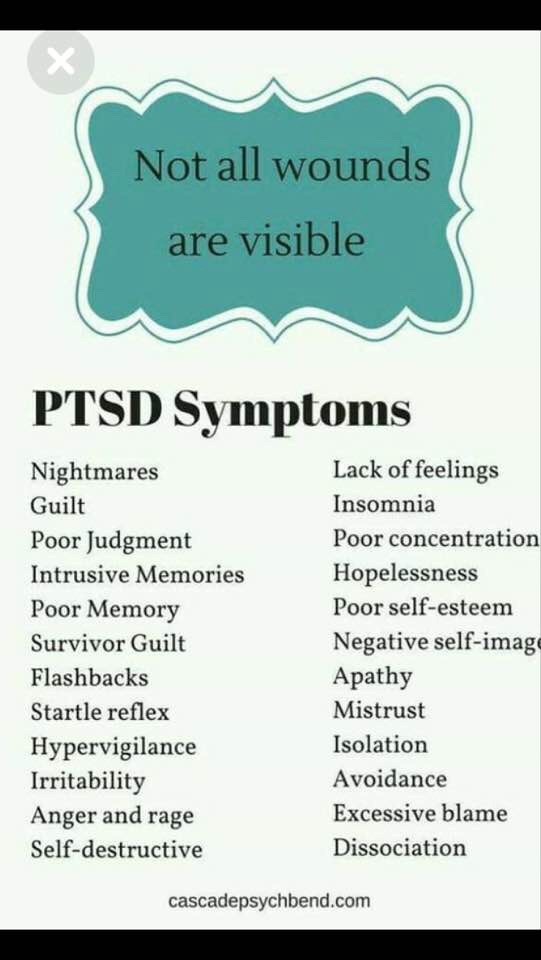
This was my journey after a lifetime (having been dealing with undiagnosed complex trauma since the age of 4, eating disorder from 16 and PTSD since 25)
I had come to terms with the realisation that I was destined to live with these for the rest of my life. I never thought I would escape it .. and maybe the anxiety and depression will return… but at the moment I feel good and I know I can recognise and acknowledge the feelings and know I will overcome whatever happens in the future.
I hope that whatever you are going through you know you can ask for help and there is always hope ❤️
May is usually a difficult month for me. It holds memories
that I would rather forget and anniversaries that are not ones I wish to celebrate
but cannot avoid. However, this one felt different, and it has been a month
where I have changed the script and those memories have not haunted me in the
same way.
Having been diagnosed with PTSD over 20 years ago, I accepted
that I could get triggered by the slightest sound, smell, noise or a date and return
full flow into a rerun of every or any traumatic event I had experienced.
However, I had not realised the impact of childhood experiences and learnt patterns
of behaviour that I had developed at an
early age. These patterns may have led to the greater and more dangerous incidents,
I faced that caused the PTSD. The symptoms simply reinforced the script that I
had developed. And thereby continues the cycle.
I had a relatively blissful childhood. I am blessed with a
family that has been able to support me through very difficult times up to this
day. There was no family breakdown, no fights or abuse within the home. I was
brought up with a strong moral and political code. I was encouraged to be
educated, read books, dance, swim, maintain a car, build shelves, appreciate
the arts. I was taught to budget, work hard and had opportunities to travel and
be independent. Most of all I was taught to care about the world and others in
it.
I am very lucky and I give thanks for this every day.
I have worked with and known thousands of young people and adults
who have not had this privilege. People who have had to struggle alone, feel fear
or pain at a young age, develop a hard exterior to survive, learnt that hustle
is the only way. They have grown and done things that people consider wrong and
sometimes even evil. They have hurt others or themselves. They have not been afforded
the skills and emotional capacity to be able to develop or maintain
relationships and create the life that is expected of them – the norm of
working, keeping a home , having a family – is an ideal that can be a challenge
for many.
Obviously, life, however blissful in retrospect, is never
perfect. Parents do their best to be everything for their children, provide for
them and keep them safe. Their own experiences and their stories of loss, pain
and fear will influence their parenting and can, despite their best intentions,
create an environment that could undermine their child’s sense of self-worth or
create a script for that child that leads to self-destructive behaviour. Life can
be cruel bringing trauma to the most idyllic settings. Every single person will
learn to respond to this differently according to their instincts and environment.
I am proud that I have managed to create two kind, thoughtful
and functioning citizens. Despite my failings and misgivings, they have already
achieved great things in their young lives. As a ‘young single mum’, I was determined
to prove myself as a parent and throughout their life I have tried to make a
safer place for them and their peers to thrive. I have probably failed at
parenthood more times than I succeeded, but they have a better chance of
becoming better parents in the future because of my newfound awareness that I still
have time to share with them.
I understand that my childhood and the ongoing support throughout
my life has allowed me to have a certain power that I believe I have used for
good, despite some of the ‘evil’ that I have had to overcome. Some have called
this naivety but my everlasting belief that there is good in everyone has allowed me to achieve much
that I can be proud of and that have had been able to have a positive impact on
others.
Primarily, I have lived my life ensuring that the needs of
others were met regardless of the impact on myself and this has been intensified
by the PTSD. This has led me to becoming physically ill, financially broken, in
fear for my life. It has led me to self-harm, self-destruction and negative relationships.
It has meant I have made mistakes and caused others hurt unintentionally, which
in turn produced me even more pain and self-loathing. This martyrdom was not
intentional or even conscious it was part of my response to secure the
attention or love that had developed from a very young age. I do not call
myself a victim or carry the Martyr badge for sympathy. I have carried on and shaken it off and kept going, as I was taught
to do and as we all do too often.
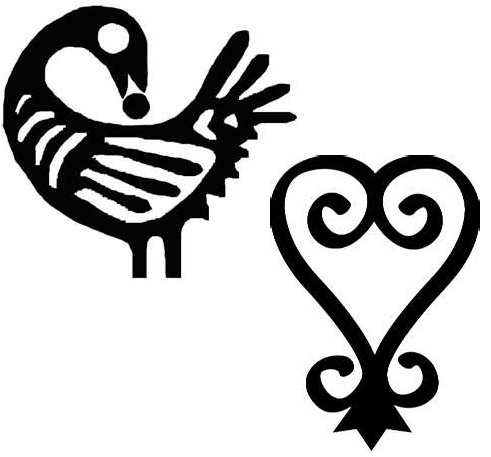
The importance of ‘Sankofa’,
a tattoo I have had on my back for over 13 years is never truer for me as it is
today.
According to originates from Asante Twi language of the Akan
tribe in West Africa and literally means ‘return and go get it’. The
interpretation I adopted was to remember your past and bring it forward. I.E. ‘You
need to know where you have been to get where you are going’.
In recent months, I have delved deeper into my past than
ever before. I have explored how my childhood has influenced my life choices
and the negative patterns that have appeared. That blissful but imperfect childhood
has created who I am today and whilst it is not helpful to regret any experience
or cast blame, it is important to
understand and learn from it.
It has not been until now , until this May of my 48th
year, that I can honestly say that I know
my worth, and that I truly know what I can achieve and what I deserve in life.
In the past, I had thought I had reached this point but I
still allowed the script I had been carrying with me to allow people to undermine
any personal growth and return me to the treatment I was used to.
This year, I have addressed a challenge to my view of myself
and defended my self-worth. I have maintained my dignity and integrity and have
been able to support others without sacrificing my own health and mental
wellbeing. I have also seen that by doing this and looking after myself first,
it has had more positive an outcome for others than the way I was doing things
before.
To a certain extent it could be said that I have unconsciously
created some of the risks, challenges and obstacles, as much as I have found the strength to overcome
them. The difference is now that I can forgive the child I once was for
creating that script that I was not even aware I was carrying and definitely did
not know I was allowed to change. Whilst I had come to remember the childhood experiences
I had not realised how much pain I was still hanging on to. Now that I have started to address this, I can
literally let go of it and start a new script. I no longer believe that I am
not worthy of the love or acceptance that I have spent my life trying to
achieve for that child. I simply can accept and love myself.
All the clichés in the world can be applied but the fact is
since going on this journey into my past, the symptoms of the PTSD have reduced,
the triggers have not had the same effect and the self-harm and feeling of worthlessness
has ceased completely and this May has been a positive month.
Kindness is not a
weakness, to be kind after experiencing hurt or hate, is a true mark of strength.
Kindness is essential for society to improve, but …be kind to yourself first.
If you are allowing people to treat you badly in
relationships or work, ask yourself why? What are you telling yourself you
deserve and where does that script come from?
If you are avoiding pain or trauma from the past, it will
find its way back to hurt your present or future, until you allow yourself to heal.
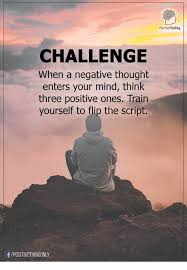
If you are plagued by negative self-talk and doubts, write
them down but make sure you have another book and write down every tiny
positive each day – things you have achieved, or seen however, small.
Over time, it will be easier to focus on the positive.
Do not wait until you are nearly half a century to address past
hurt.
‘Go back and fetch it’ -then heal it and learn a new pattern.
Create a life that allows you to feel all emotions in a healthy
way. Y
You cannot avoid pain or sorrow in life but you can accept
it and know that you will recover from it and be stronger.
I read recently that someone described grief as a ball in a
box. In the box there is a pain button. When someone dies the ball is large and
doesn’t have room to move so the button is constantly pressed. As time passes
and the ball gets smaller , it has more room to move. This means that the pain
button gets hit randomly when you least expect it. It doesn’t hurt any less and
the ball will never disappear completely.
You might be twenty
of thirty years down the line. Thinking about your loved one may not always bring
you pain but one random time, out of the blue the ball will hit the pain button
and you feel it as strongly as you did that first day when they died.
Therefore, when I feel grief for the loss of my dad, even though
21 years has gone by since he died, it’s not surprising that the pain is still felt
as strongly as the day we said goodbye.
Recently I came to terms with a loss I didn’t even realise
had affected me, but that I had been carrying unresolved the feelings of
abandonment and grief since my early childhood.
My first friend was born a few months after me but we grew
up together whilst our mums dealt with motherhood together. Until he
disappeared when we were four years old.
The light that surrounded him went out and the pain was so
immense for his parents that they struggled with it for years to come.
My four year old self wondered where my friend had gone. I
am sure my parents would have attempted to explain or help me to understand but
I don’t remember anything other than there was a void where my friend had once
been.
There was a darkness that has never been completely lit.
I am embarking on a journey of novel writing and have tried
to find a way to describe the loss a child feels when dealing with grief. In my
book the child carries a ‘blankey’.
I had one as a child, it was light blue and soft and gave me
comfort. In real life I had to give up that blanket. I couldn’t take it to
school with me and as I grew older it wasn’t appropriate. However, finding the
blanket as an adult made me smile. So if I am saying the blanket gave me comfort,
how can I use it as an analogy for grief which causes so much distress?
Grief is a comfort in some ways. When we carry it, however
painful it is to do so, it keeps our loved one close to us. They are still present
to some extent and our sorrow and emotions are evidence of this. We are allowed
to be upset, sad, distraught, even angry and frustrated, as these are all
expected when you lose someone you thought would be alongside you forever.
However, if we do not allow these emotions or do not
understand the process we are going through, it can become a burden and
unaddressed can be our undoing.
What if you don’t know what death is? What if you are too
young to articulate feelings or hurt that your friend has gone? You are not able
to understand that this is a part of life, or accept that sometimes people aren’t
well or rationalise the cruelty of their departure.
For the character in the book, the blanket starts out as a
light soft ‘blankey’. It is carried everywhere and feels safe at first. Throughout
the story it increases in size and weight, it gets darker and harder to carry
but impossible to let go of. When the child loses it,she panics and when as an adult,
she tries to get rid of it she cannot free herself from the blankets threads that
have knitted into the fabric of her being. With every new loss the blanket
continues to grow.
We would hope that children are protected from loss at an
early age. It is something they shouldn’t have to experience and that having a plant
or a pet is a good way for them to be introduced to the concept of life and
death, a safe way of understanding that every living thing has a time limit.
Sadly, it seems that more children than ever are having to
learn this lesson far too early. This was highlighted in a recent documentary
on BBC III that showed the impact of a brothers violent death still haunting
his 23 year old sister after 12 years. The pain her 11 year old self felt
resurfaced as she revisited the circumstances of the loss of her brother and it
was clear to see that it was something she is likely to be carrying forever.
Children are losing brothers, sisters, parents, aunts and
uncles not only to violent crime but to cancer and accidents and war. Whatever
the reason the pain and grief is still the same; the hurt and anger, the guilt
and regret, the dejection and sadness will, if left unexplained and unaddressed
cause damage and impact the rest of their lives.
We have to come to terms with the loss we experience . It may
be easier when a life has been lived to its full extent. When someone takes
their own life or has their life taken away suddenly there are all sorts of unanswered
questions, unfinished business and injustices that can consume us, potentially
for the rest of our lives if not given the support we need.
Death is not something that can be avoided and we cannot
protect anyone from their given time. The comfort of faith gives those that believe
the option that that they are at peace, watching over us and that we will meet
them when our time comes. Or that they will be reincarnated and will be able to
wonder the earth in a different guise.
As a child being brought up in a firmly Athiest and medical
(mum worked for the NHS and Dad was a pharmacist) home, these were not options.
People got ill or old (or killed by accident or not) and died. We would go to
funerals and say our farewells and show our respect and then life goes on.
I went to quite a few funerals as a child because this
importance of saying goodbye being part
of the process. But with every loss, I was still grieving the one that
disappeared with no goodbyes at the age of four and still didn’t know how to
express it.
When I was 12, my beloved grandad died. I cried for him in
private, to protect my mum from my sadness. In the afternoon after the funeral,
I was sent back to school. It was near the Christmas holidays so we were treated with a
showing Airplane in the school hall. Whilst everybody laughed at Leslie Neilson
I thought about my grandad. My mum protected me from her sadness too, which is
probably why I was sent back to school. So our shared grief was dealt with quietly
and alone and left unsaid.
By the time I became an adult, I knew death was inevitable. Something
of my peers around never had to come to
terms with.
I was carrying the blanket of grief with me but it was
invisible. I just knew I felt a kind of sadness that I couldn’t shake off or
mend. Avoiding it with alcohol or controlling it with a strange relationship to
food didn’t work. The joy of motherhood didn’t fill the void. Partnerships and
friendships which were meant to heal me, only added to the pain.
Over the next two decades, I would feel everyone’s pain as I
attended funerals of friends and family. Some had taken their own lives, some
had died suddenly, some had suffered through illness and for them death may
have been a relief, some had had their lives taken from them tragically.
Some were old and had lived full lives and left legacies.
Others were far too young but had still been able to shine their light on the
world in some way.
As an adult I had learnt how to grieve. I could not only understand
the feelings even but I could articulate them and I could support others to understand
them. I could even grieve for people I had only known for a few months or
years, or that I had hardly known at all.
When Tony Benn and Mandela died, I grieved. These were
figures who had been part of my families discussions and campaigns throughout
my life. Their presence in the world allowed me to see the movements ,that my
dad had held so close to his heart, continue.
I will be the first to admit I was just as devastated when Prince
died and until that moment I never really understood the outpour of collective
grief for celebrity deaths. Not to say that their lives were any less valuable,
but that the personal loss that everyone expressed as if they knew them did not
connect with me.
That is until Prince died. I obviously had never met him
(though he did come within breathing distance of myself and my equally devoted
friend at the O2 in 2007!) and until the stories about his generosity and humanity
came out after his death (that just made me love him more) I didn’t ‘know’ him
at all, but he had touched my life and made sense of the world with every lyric he sang and note he
played throughout my adolescence.
And that is the point. We mourn because we are sad for the
loss of the light that once shone so bright. The connection you have with
someone may be brief or small but it’s a connection all the same. Without it
the light wouldn’t have turned on at all. Even if we have crossed wires there
is still a spark of energy that comes when they meet.
We cannot measure our own experience of grief against
another’s. Every death will hit us differently. I may have cried more at my
friend’s dad’s funeral than I did at my own, but that does not mean I miss him
any less. We may find it easier to express our own grief when supporting
someone else in theirs because our own is all consuming.
The most important lesson is to learn how to express the
grief, the sense of loss and the pain. We need to equip people with the
language and give them the space to voice it. We need to encourage them to vent
and cry and broach the difficult questions, because it is through this process
that they can uncover the memories that bring them joy and allow their loved
ones light to continue to shine through them rather than scorch and scar them
forever.
Mother’s Day was not something we celebrated or marked in my
household growing up. It was deemed a commercialised religious day that was
ignored on both counts.
In the UK, Guernsey, Ireland, Nigeria, Jersey and the Isle of Man
Mothers Day has religios roots and is celebrated on the fourth day of Lent. In
1908, in the USA , Anna Jarvis founded
Mother’s Day on the second day in May and this is celebrated throughout the
Caribbean too. It created an opportunity for domestic staff to return home to
visit their mothers.
The tradition of Mothering Sunday
first started in the 17th century and it didn’t seem to have a link to mothers
as we would think, but meant visiting ‘mother’ church in your childhood home
and eating Simnel cake. Following Anna Jarvis’ lead Constance Smith
published a booklet The Revival of
Mothering Sunday in 1920 in the UK.
This, along with aftermath of the
First World War, when hundreds of thousands of mothers were left without sons, is
why we celebrate Mother’s Day today.
As it happens, neither women
became mothers. Jarvis also had never intended the day to become commercialised
and later said
‘A printed card means nothing
except that you are too lazy to write to the woman who has done more for you
than anyone in the world.’
When I became a mother, I thought it was going to be a nice day to
adopt!
An excuse to be pampered or appreciated over and above the daily
routine.
As a single mother though, it was often a case of the nursery or school prompting an artistic creation. As they grew up, to avoid disappointment, I would have to provide a few pounds and remind someone to take the children out to get a present in time!
Sort of defeating the object.
Now the children are not children anymore and are grown adults in
their own right, I simply appreciate their time. I love to spend time with
these two young people who are basically really decent, funny , smart and
interesting people. I am very lucky that they made mothering so easy and that
they avoided the pitfalls that so many young people are unable to and are going
out into the world and making a life for themselves.
I appreciate and am grateful that my children have been able to
become adults and whilst not being untouched by the realities of our world
today, witnessing and being confronted by them, they have survived.
I am blessed to have two independent, motivated and kind young people. I am happy that our
ties are strong enough to withstand distance and busy lives and malleable
enough to endure change and growth.
I am also blessed to be able
to spend more quality time with my mum now than ever before. We are reforming
our relationship in a way I would never have imagined and am truly grateful
for.
Motherhood does not always provide the joy and
accomplishment as advertised. It is tiring , challenging and produces feelings
of love and fear so strong we can become vulnerable. We carry guilt for
mistakes we make and blame for the issues our children face. We often
have to sacrifice the life we created as young women and find a whole new part
of ourselves and a strength we never could imagine existed.
And despite this, we subject ourselves to the lows, because motherhood is a gift that we often take for granted and assume is our right.
Sadly for too many women this right is not awarded or
is tragically taken away. This is a gift that cannot be expected or relied upon.
Amidst the mundane tasks and constant demands of motherhood it is important to be mindful and learn to be present in the moment.
I fear this is something I was not able to do when my
children were little. Constantly being haunted by issues from my past and worries about their future.
Trying to survive and build a life that supported them adequately and a career
for myself, I was constantly planning the rest of the day, who was going to which
activity, who had what homework, what was for dinner, where was the money come
to cover that bill.
Time speeds by over piles of washing and nappies. We
spend our days tripping over toys and finding ways to keep our children
occupied and stimulated. As the day progresses we increasingly look forward to bed
time for a moment of peace.
Even in our free time (if we are able to get any) we
often think about our child because s/he has become such a part of our identity
we lose who we were before they arrived. We worry about what they are doing, if they
are safe away from us, who they are with and what they need to do tomorrow. We talk about how clever and funny they are
and moan (quite rightly) about the lack of sleep, adult conversation and tantrums.
And all of a sudden our babysitter needs to go home and our free time is over.
However, free time or the ten minutes a mother steals each day when the baby takes a nap is an important opportunity to remember who they are. Yes they are mother, a role that is all consuming, but they are also a woman in their own right with story of now and a history and a future.
It is easy for me
to say this , as I sit alone with time to reflect, with the luxury of hindsight
and no-one to care for on a daily basis but myself.
I know for mothers
out there with numerous children of all different ages, partners, work and
parents to think about, they will be likely not even to have time to read this
blog and if they do will possibly despair at another thing they ‘should’ be
doing and haven’t got time for.
Pressure is added,
in these times, when the education system is failing our children in many ways,
libraries are being closed, youth clubs and children centres are cut, the fear
of gangs and knife crime. Families are either forced into a life reliant on benefits
because despite their willingness to work it is not financially viable for mum
to work part-time. Or the alternative where family life is fractured by parents
working two or three jobs, children in childcare and still struggling to survive.
But with the luxury
of hindsight and having witnessed family and friends losing their beloved
children, I urge us all to be mindful mothers, whatever stage of motherhood we
are at.
I
imagine that when a child dies, a mother must be left trying to capture every
living memory. Many of these memories may be hidden within a mist of
responsibilities and a blur of external problems. The opportunity to spend
another cherished moment other than in their imagination never to materialise.
In honour of
those mothers, and the women who long to become mothers biologically but can’t
and in order to take care of ourselves and our children mothers should not just
spend today celebrating themselves and their children but consciously take time
every day to do so.
Once incorporated
into our lives it allows us to be more objective and therefore more thoughtful
about the words we use, about our actions that may disempower and control and
be more aware of our feelings and the impact this has on ourselves and others. We
accept our thoughts and feelings without judgement which makes it easier for us
to let go of negativity and self-doubt and enables us to be kinder to others, listening
without labelling and judgement. We are able to develop healthy boundaries and
improve our ability to communicate from the heart rather than our head (our
ego) which improves our relationship with ourselves and others.
This may prevent
the heartbreak that a mother causes by preventing her children from seeing
their estranged dad due to her anger and hurt of a broken promise or seeming betrayal.
This may reduce
the anger we feel as our child gets up for the fifteenth excuse why they should
not be asleep, and also, prevent the guilt we feel at the subsequent screaming fit
that we subject them to get them to submit to bedtime.
This may go a
small way to alleviate the sorrow that a bereaved mother feels because they
will know that their child knew them and their love throughout every moment of their
life.
Millions of years
of evolution and as mothers we still instinctively feel selfish if think about
ourselves and our needs first. Actually,
by doing this, we become stronger and better people who are more equipped to
help others. My friend, Lysha calls it being SELF-FULL rather than selfish and
it is something I wish I had learnt many years ago.
So have a happy
Mother’s day every day and to all those women being ‘mother’ to other people’s
children and fathers acting as mothers too come out from the hefty to do and
not to do list and just BE for a moment. BE Self -FULL and Savour the moment
with every sense you possess and know how lucky you are. Whatever problems you
face right now will pass.
With Love on Mothers Day to all mothers – mothers- to-be, mothers who have lost, women (and men) acting as other people’s children’s mothers, mothers who struggle with motherhood, mothers who have passed – we all create an indelible mark on the lives on others, so know your power and be kind to yourself.






 musingsofamindfullefty.blog